
Learn how to choose a sofa for small living room with these 10 practical tips. Find the right size, shape, style, color, upholstery, and features to maximize comfort and space.
When it comes to furnishing a living room, seating and décor are usually the first things that come to mind. The sofa is typically the primary seating option, but choosing the wrong one for a small space can affect both the layout and the overall appearance of the room. An oversized or poorly proportioned sofa can quickly make a compact living room feel cluttered and overcrowded.

However, having a small living room does not mean you have to compromise on design, comfort, décor, or useful features. Once you understand what to look for, it becomes much easier to choose the right sofa for small living room spaces while making the most of the available area.
Size is important, but it is not the only factor worth considering. The sofa’s shape, proportions, color, legs, upholstery, storage options, construction, and placement can all influence how spacious and comfortable your living room feels.
Keep these 10 factors in mind when choosing a sofa for a small living room.
1. Measure the Size of Your Living Room
Before visiting a furniture store or browsing sofas online, measure your living room carefully. Note its length and width, along with the position of doors, windows, walkways, and existing furniture.
One of the simplest ways to visualize the available space is to mark the sofa’s intended position on the floor using masking tape or a measuring tape.
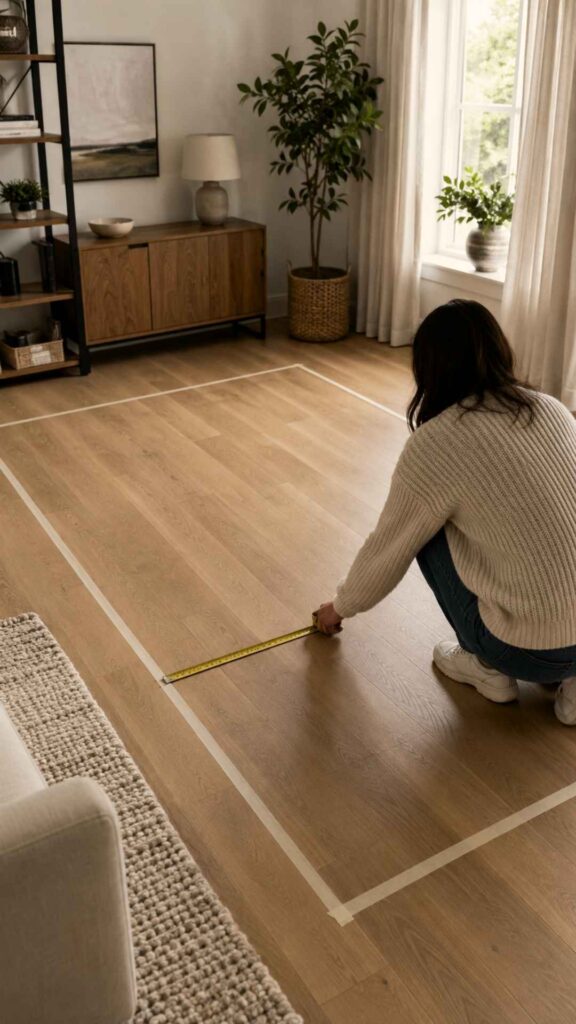
This gives you a clearer idea of how much floor area the sofa will occupy and how much space will remain for movement and other furniture.
Do not focus only on whether the sofa fits against a particular wall. Consider whether people will still be able to move comfortably around the room once the sofa is in place.
2. Choose the Right Sofa Shape
After determining the available size, choosing the right sofa shape becomes equally important because not every design works well in a limited space.
L-shaped, U-shaped, and rectangular sofas are among the most common options available. U-shaped sofas usually require considerably more floor space and are generally better suited to larger living rooms.
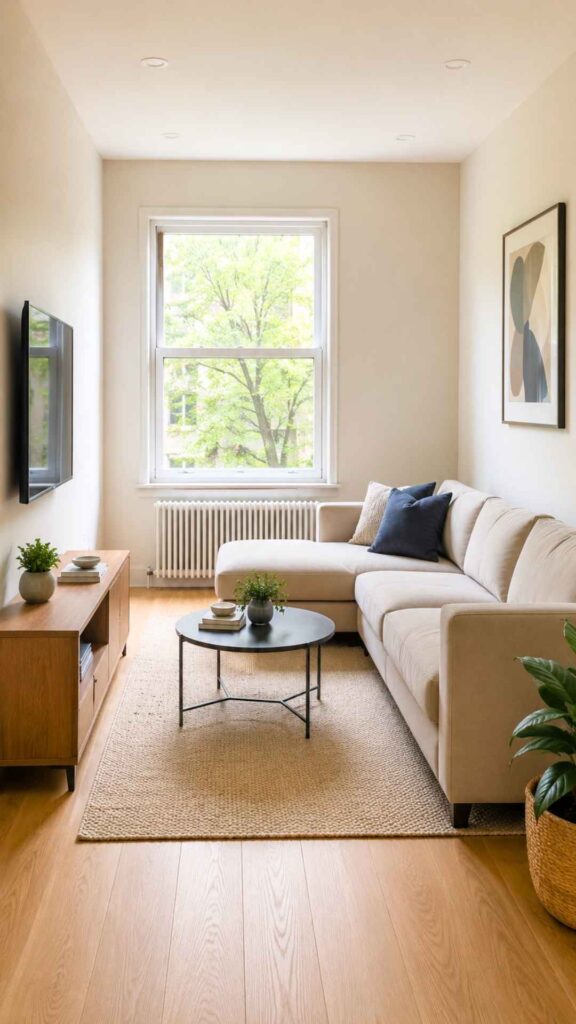
For smaller spaces, a compact rectangular sofa or a low-profile L-shaped sofa can often work better. A carefully chosen L-shaped design can also make good use of an unused corner while providing additional seating.
The key is to choose a shape that follows the room’s natural layout rather than forcing a large sofa into a space that cannot comfortably accommodate it.
3. Pay Attention to Sofa Design Features
When choosing a sofa for small living room spaces, several seemingly minor design details can make a noticeable difference.
Sofa Legs
For smaller living rooms, consider a sofa with raised legs. Being able to see some of the floor underneath the sofa creates a greater sense of openness and prevents the furniture from appearing too heavy or bulky.
Raised legs can also make cleaning beneath the sofa easier.
Sofa Color
Light-colored sofas in shades such as beige, cream, light gray, or soft neutrals can help create an airy appearance because they reflect more light and produce less visual weight.
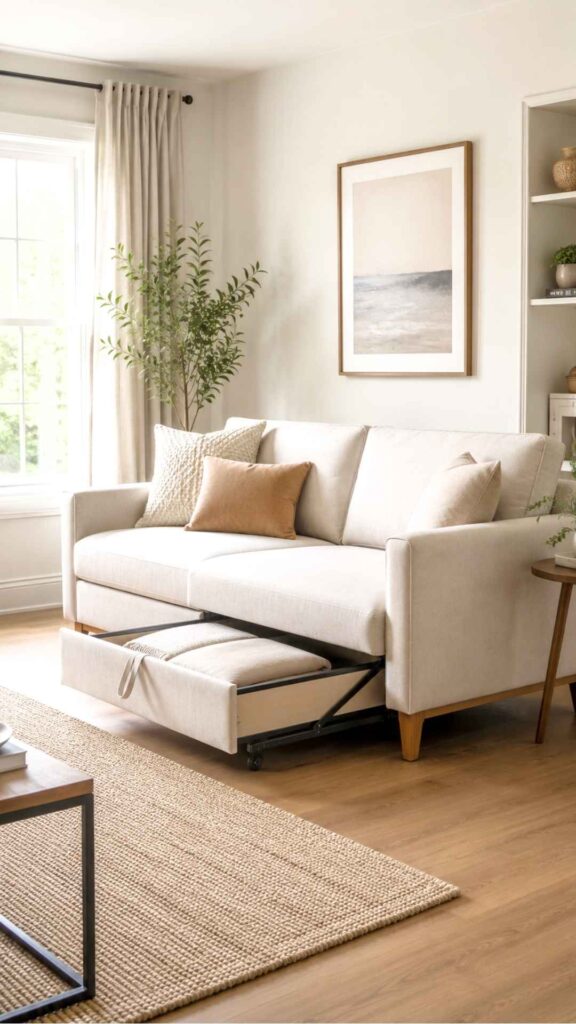
That does not mean darker sofas should always be avoided. A dark sofa can work successfully when balanced with lighter flooring, walls, and surrounding décor.
Multifunctional Design
Multifunctionality is particularly valuable when space is limited.
A sofa that combines seating with storage or converts into a bed can reduce the need for additional furniture. A sofa-cum-bed, for example, can provide everyday seating while also creating temporary sleeping space for guests.
Similarly, built-in storage can help keep blankets, cushions, books, or other household items out of sight.
4. Select Practical Upholstery
A sofa in a compact living room is often used frequently, which means the upholstery should be practical as well as attractive.
Easy-to-maintain fabrics can make everyday cleaning much simpler. Synthetic and performance fabrics such as polyester, nylon, olefin, and microfiber are commonly chosen because they can be relatively easy to vacuum and maintain.

More delicate materials, including certain types of velvet and linen, may require additional care depending on their construction and finish.
Before buying, check the manufacturer’s cleaning instructions and consider how the sofa will actually be used in your home. A beautiful fabric may not be the most practical choice if the sofa is exposed to children, pets, food, or heavy daily use.
5. Match the Sofa to Your Lifestyle
People sometimes choose a sofa mainly because they are attracted to its appearance and later discover that it does not suit the way they actually live.
Before making a purchase, think about how the sofa will be used every day.
| S.No. | Lifestyle Need | Recommendation |
| 1 | Hosting Family & Friends | Choose a compact L-shaped sofa to increase seating capacity while maintaining a modern appearance. |
| 2 | Homes with Children or Pets | Consider durable, easy-to-clean, and scratch-resistant upholstery. Medium or darker shades may also help disguise everyday marks. |
| 3 | Frequent Overnight Guests | Consider a sofa-cum-bed to provide additional sleeping space when guests stay over. |
| 4 | Limited Living Room Space | Select a sofa with a moderate seat depth so that it remains comfortable without occupying unnecessary floor space. |
| 5 | Relaxation & Comfort | Look for supportive cushioning, good-quality foam, and a seat depth that suits your preferred sitting position. |
| 6 | Daily Use | Prioritize comfort, durability, frame quality, and upholstery performance over purely decorative features. |
The right sofa is not simply the one that looks best in a showroom. It is the one that works comfortably with your family’s everyday routine.
6. Choose a Sofa for Small Living Room With Slim Armrests
Armrests can occupy more space than many buyers realize. Large, bulky arms increase the overall width of a sofa without increasing its usable seating area.
For anyone looking for a sofa for small living room layouts, slim or narrow armrests are often a more efficient choice.
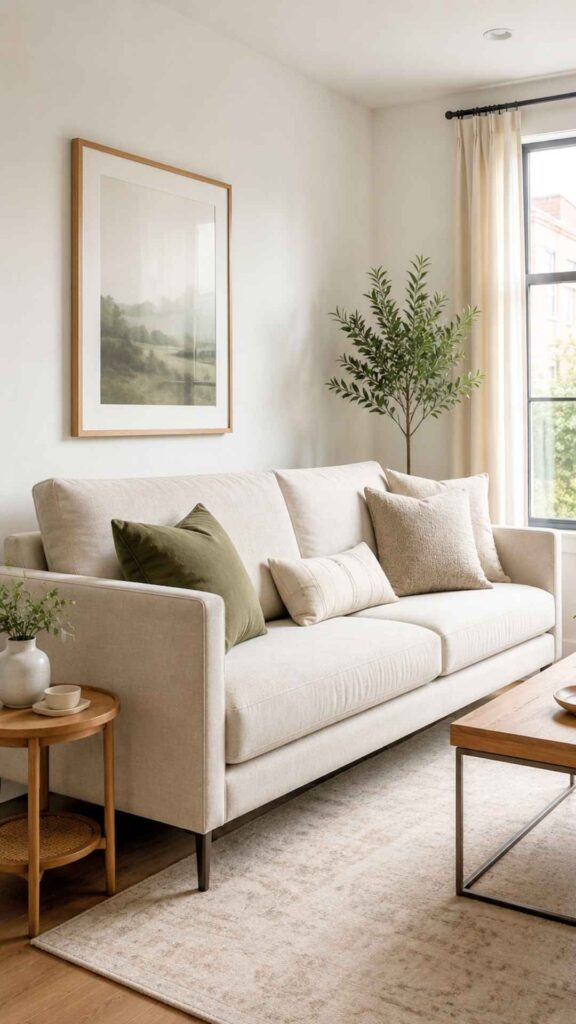
Because less width is taken up by the armrests, more of the sofa’s dimensions can be used for actual seating. This is particularly useful when you are trying to maximize seating capacity without increasing the overall footprint of the furniture.
Slim arms also give the sofa a lighter, more streamlined appearance, which can help it sit more comfortably within a compact room.
7. Check the Material and Build Quality
A sturdy sofa does not necessarily have to look large or bulky. What matters more is the quality of its internal construction.
When comparing sofas, ask about the frame material and joinery. Kiln-dried hardwoods such as teak, oak, or other suitable hardwood species are often valued for their structural strength and resistance to warping when properly manufactured.
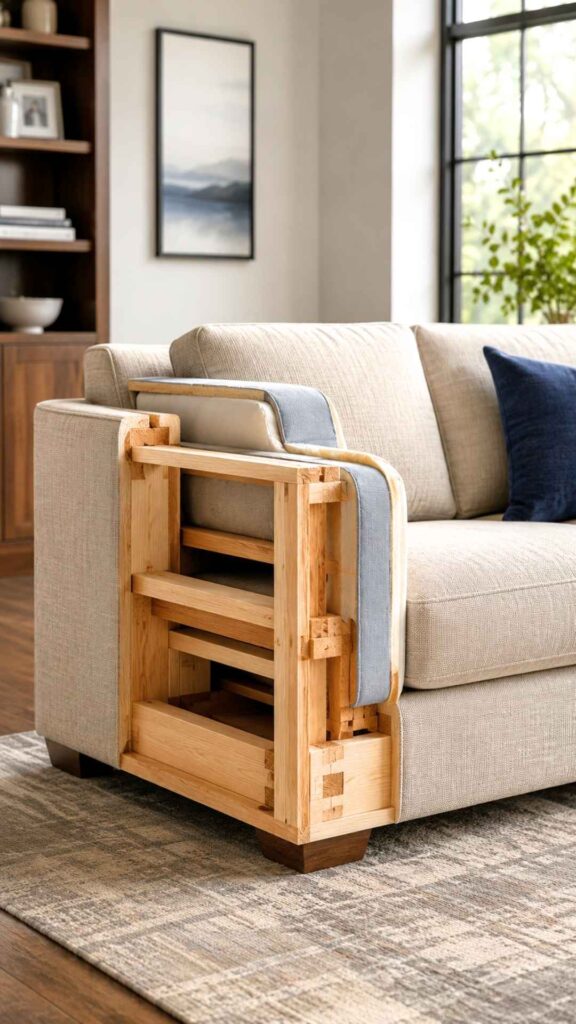
Engineered wood and plywood are also used in sofa construction, and their quality can vary considerably. Rather than rejecting a sofa based only on the material name, check the grade of the material, frame thickness, reinforcement, joinery, and overall workmanship.
Very low-quality particleboard or poorly constructed frames may be less suitable for furniture expected to withstand heavy daily use.
A well-built frame allows you to choose a relatively slim sofa without sacrificing stability.
8. Ask About the Fabric’s Rub Count
It is easy to choose upholstery based only on color or texture without considering how well the fabric will withstand everyday use.
After a short period, lower-durability upholstery may begin to show signs of friction, including thinning, fraying, or visible wear in frequently used areas.
One specification worth asking about is the fabric’s rub count.

Rub testing measures how much repeated abrasion an upholstery fabric can withstand before noticeable wear occurs. In general, a higher test result indicates greater resistance to abrasion.
For regularly used household seating, particularly in homes with children or pets, look for upholstery designed for substantial domestic use. Fabrics with ratings around 25,000 rubs or higher are often considered suitable for frequently used residential furniture, although the exact testing method and recommended rating can vary between manufacturers.
Do not hesitate to ask the retailer for the fabric specification before purchasing.
9. Plan the Sofa’s Placement and Arrangement
Finding the right sofa for small living room spaces is only part of the process. Its placement can significantly affect how spacious and balanced the room feels.
Begin by identifying the room’s natural focal point. This might be a television unit, artwork, a window, or a decorative feature. Arrange the sofa so that it relates naturally to this focal point rather than placing it wherever there happens to be an empty wall.
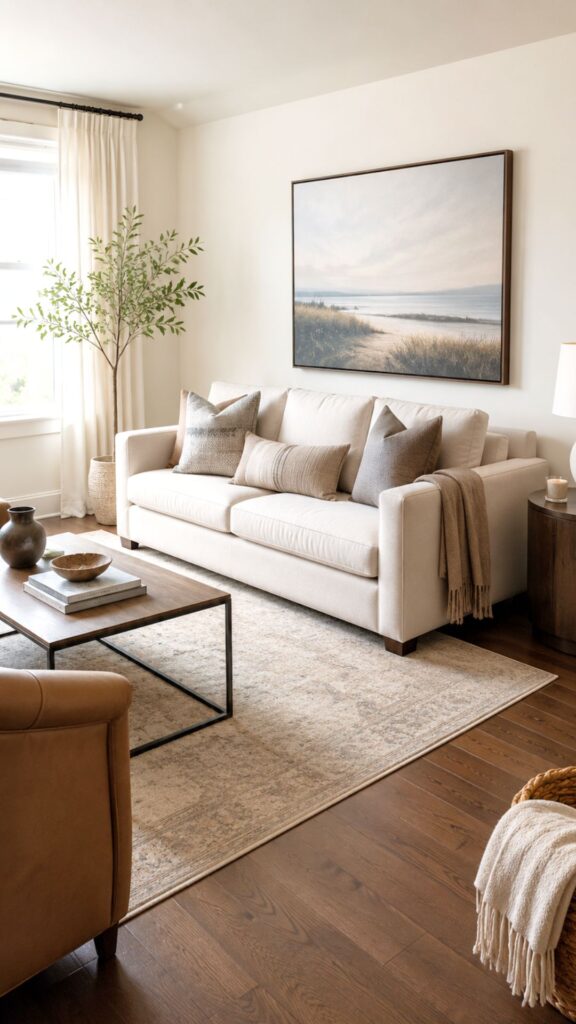
You do not always need to push the sofa completely against the wall. Where space allows, leaving a small gap can prevent the arrangement from feeling compressed and may create a more intentional appearance.
At the same time, avoid placing bulky furniture or a dining table immediately beside the sofa if it interrupts the main walking path.
Good circulation is particularly important in a small room. People should be able to enter, sit down, and move around the sofa without constantly navigating around furniture.
10. Consider the Color of Your Flooring
The relationship between the sofa and the flooring can also influence how balanced the room appears.
If your flooring is light-colored, a darker sofa can create contrast and act as a grounded focal point without necessarily making the room feel cramped.
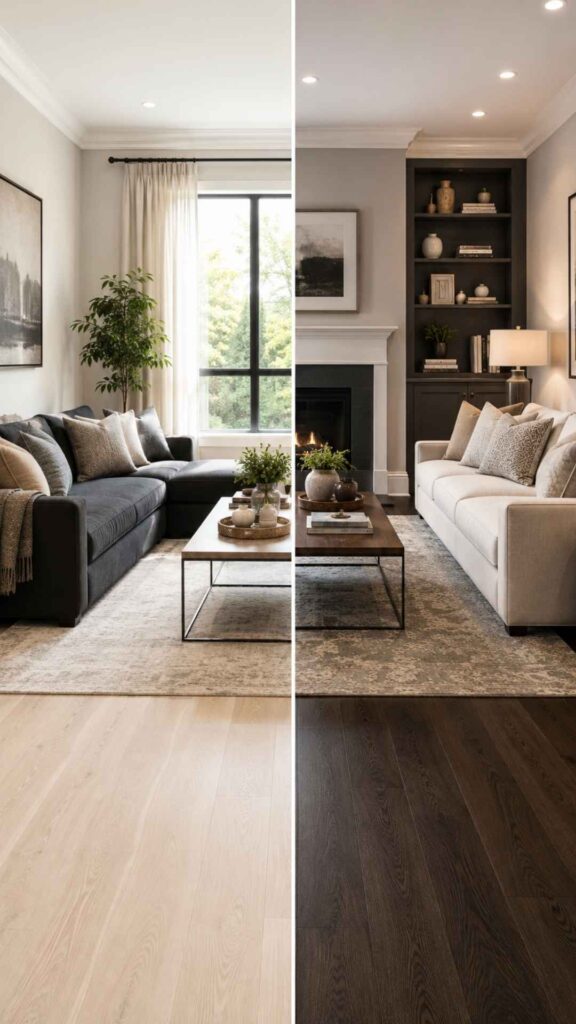
On the other hand, if the flooring is dark, a lighter sofa can introduce contrast, reflect more light, and prevent the lower half of the room from appearing visually heavy.
You do not need to follow a strict light-floor/dark-sofa formula. The goal is to create enough contrast between the sofa, flooring, walls, and surrounding furniture so that the room feels layered rather than visually crowded.
Final Thoughts
Choosing the ideal sofa for small living room spaces comes down to balancing three things: aesthetics, comfort, and purpose.
Take your time before buying. Measure the room carefully, think about how the sofa will be used, compare materials and upholstery, and consider how the furniture will interact with the rest of the space.
A sofa should not simply fit into the room; it should make the room work better.
When the size, proportions, design, and placement are chosen carefully, even a compact living room can feel beautiful, balanced, comfortable, and spacious without sacrificing the seating you need.