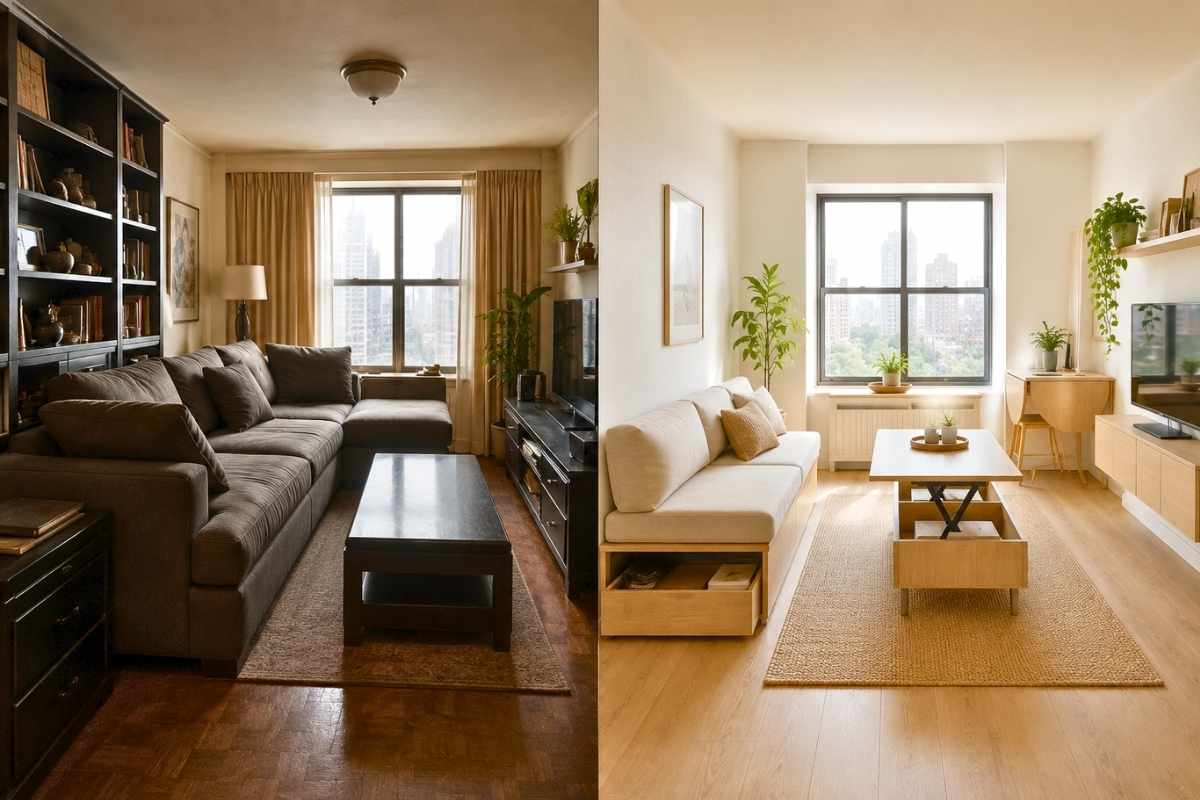
Discover common furniture for small spaces mistakes that make homes feel cramped. Learn practical small apartment furniture ideas to choose the right size, design, material, and placement for a more spacious and comfortable home.
Why does a room feel small even when it does not contain much furniture? Why does an expensive, high-quality sofa or cabinet sometimes make a home look more crowded instead of more luxurious?
The problem is often not the size of the house but the choice of furniture. Many homeowners select furniture based only on appearance and comfort while ignoring proportion, movement, and everyday functionality.
A small home does not always require tiny furniture. The goal is to create balance between the room size, family requirements, and daily movement. The design, structure, material thickness, and visual weight of furniture all influence how open or restricted a space feels.
From oversized sofas to poor storage choices, several common mistakes can make a compact home appear smaller. Understanding these mistakes can help you choose better furniture for small spaces and create a home that feels open, comfortable, and well planned.
1. Choosing an Oversized Sofa That Dominates the Entire Room
The sofa is often the first major furniture purchase for a living room. However, many people with smaller homes choose large sofas because they associate bigger furniture with comfort and luxury.
In reality, an oversized sofa can disturb the visual balance of the entire room. A large sofa with deep seating, thick cushions, and bulky armrests can consume valuable floor space and leave little room for movement or other furniture.
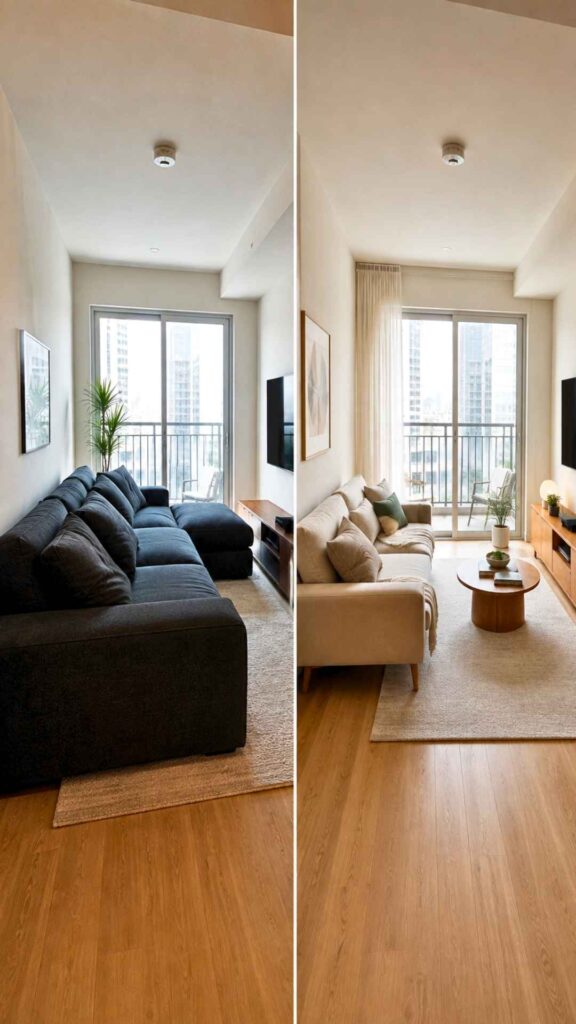
Before buying a sofa, consider how much space it will actually leave behind. Will there still be enough room for a coffee table, walking area, and other essential pieces?
For compact homes, options such as a two-seater sofa, modular sofa, or streamlined design often work better. The right sofa should provide comfort without overwhelming the room.
2. Ignoring Furniture Proportion: Big Furniture in Small Spaces
Many people check only measurements when buying furniture. They think, “If this sofa or dining table fits inside the room, it will work.”
However, physical fit is only one part of good design. Furniture proportion determines how spacious a room feels visually.
A small room filled with a large dining table, oversized bed, tall cabinets, and heavy wooden furniture can appear crowded even when everything technically fits.
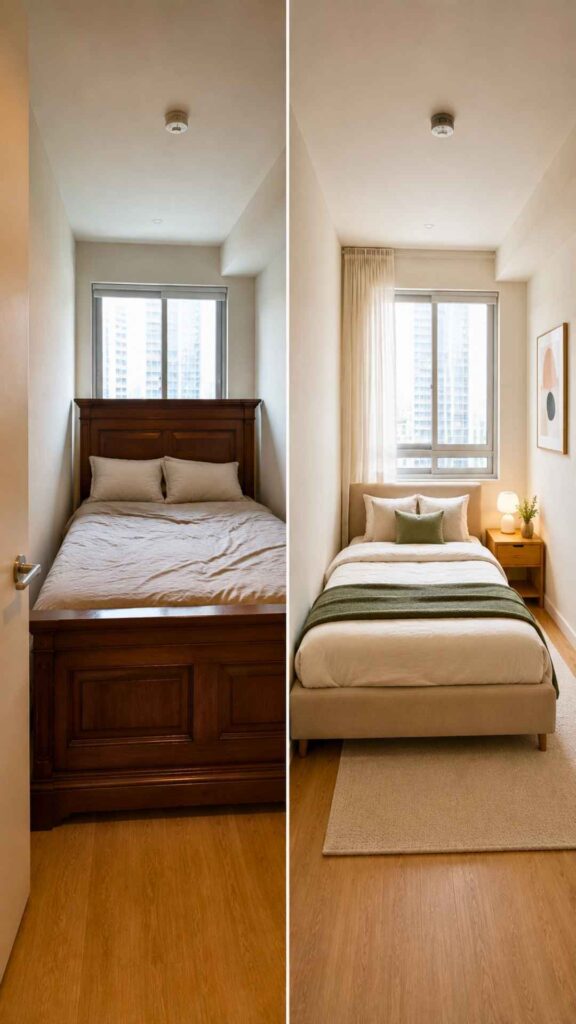
Solid wood furniture with thick panels, dark finishes, and heavy structures often creates a visually dense appearance. For smaller homes, lighter wood finishes, slimmer frames, open designs, and balanced proportions can create a more spacious feeling.
Good small apartment furniture ideas focus not only on available space but also on how furniture interacts with the room around it.
3. Buying Too Many Single-Purpose Furniture Pieces
Small homes often become cluttered because every piece of furniture has only one function.
People may buy a separate coffee table, storage unit, cabinet, and seating piece without considering whether all of them are truly necessary. The issue is not the quality of the furniture but the amount of space each item consumes.
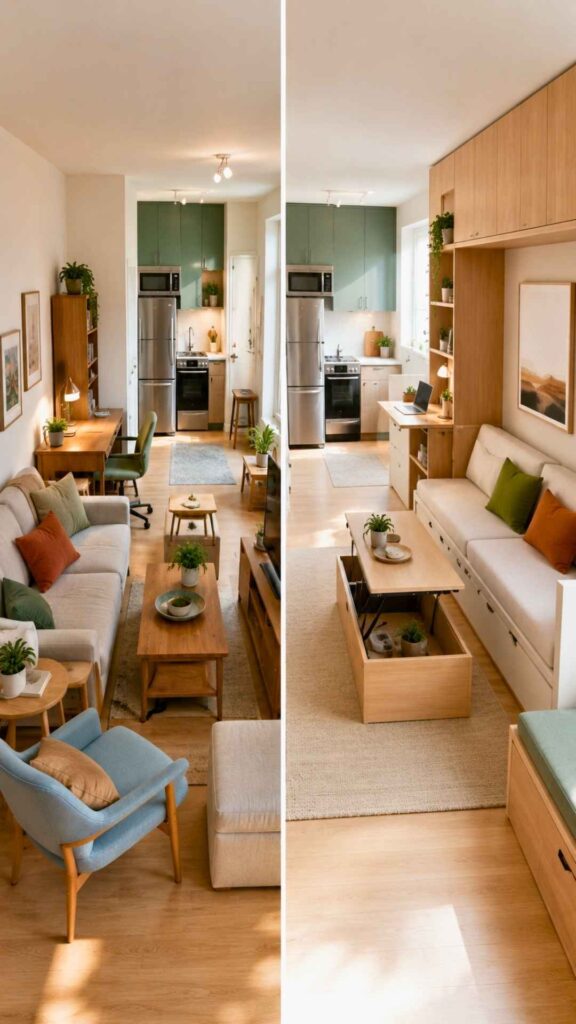
Multi-functional furniture is often a better solution for compact living. Examples include storage beds, foldable dining tables, ottomans with hidden storage, sofa beds, and wall-mounted desks.
Before purchasing any furniture, ask yourself: Does this piece support my lifestyle, or is it simply occupying valuable space?
4. Blocking Pathways With Poor Furniture Placement
Sometimes the furniture itself is suitable, but the placement creates the problem.
A sofa placed too close to a doorway, a dining table blocking a walkway, or a cabinet door that cannot open properly can make a home feel uncomfortable.
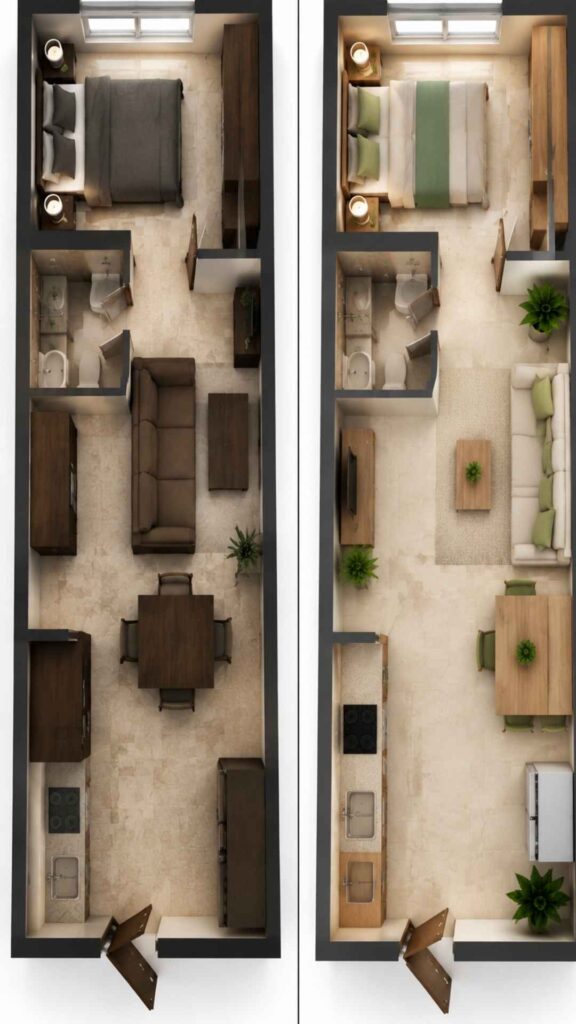
In small spaces, movement is extremely important. Interior designers often refer to this as circulation space—the clear area needed for people to move easily through a room.
Good furniture placement should allow doors to open freely, drawers to function properly, walking paths to remain clear, and windows to stay accessible.
A well-planned layout can make the same furniture feel completely different.
5. Choosing Heavy Visual Furniture That Makes the Room Feel Smaller
Some furniture pieces do not take up much physical space but still make a room feel smaller because of their visual weight.
Dark wooden cabinets, closed storage units, and floor-to-ceiling solid furniture can create a heavy appearance. The human eye naturally perceives darker and more solid objects as larger.
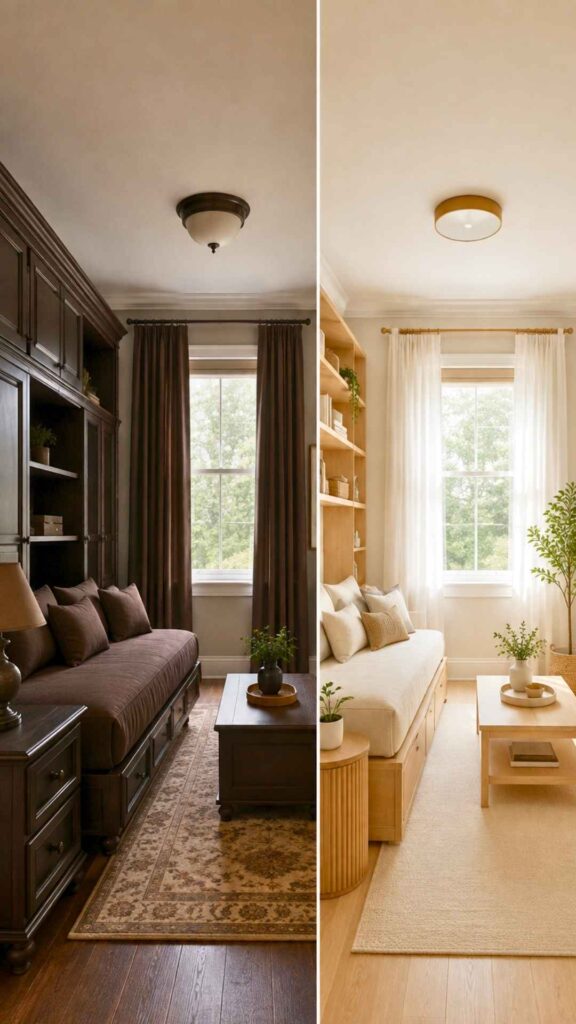
For furniture for small spaces, consider lighter finishes, natural wood tones, glass combinations, open shelving, and minimalist designs.
The goal is not to remove all storage or choose only lightweight furniture. It is about creating a balance between function and visual openness.
6. Buying Furniture Without Considering Storage Needs
A beautiful piece of furniture can quickly become a problem if it does not match your storage requirements.
Small homes need furniture that provides more than appearance and comfort. Every piece should ideally contribute to better organization.
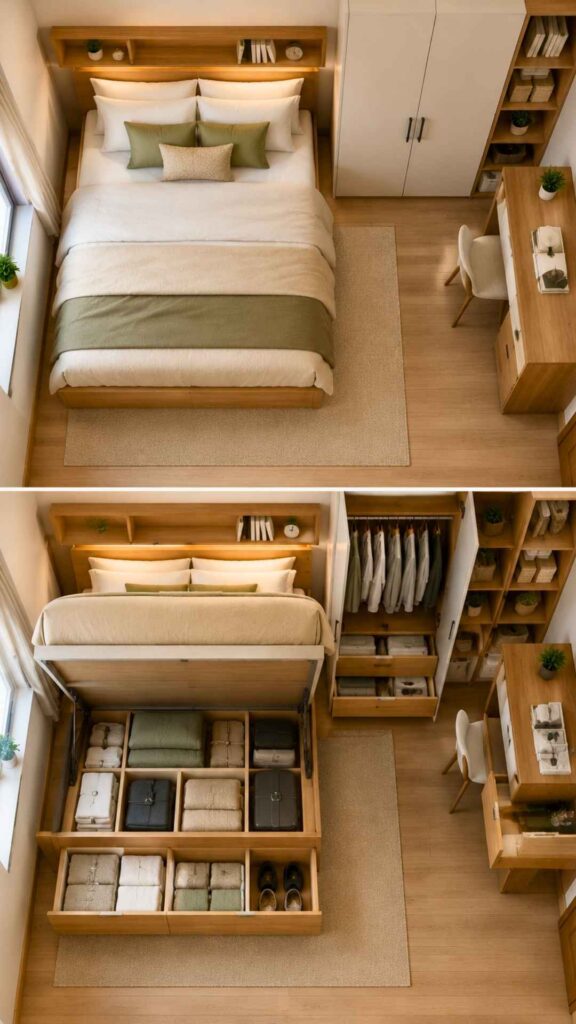
Storage beds, vertical cabinets, floating shelves, hidden compartments, and furniture with built-in storage can help maximize available space.
Before buying furniture, think about what your home actually needs. A stylish piece that creates storage problems may not be the right investment.
7. Selecting Furniture That Cannot Adapt to Changing Lifestyle Needs
Lifestyle changes over time. A home that works perfectly for a couple today may need to support children, remote work, or changing routines in the future.
Furniture that lacks flexibility can quickly become inefficient.
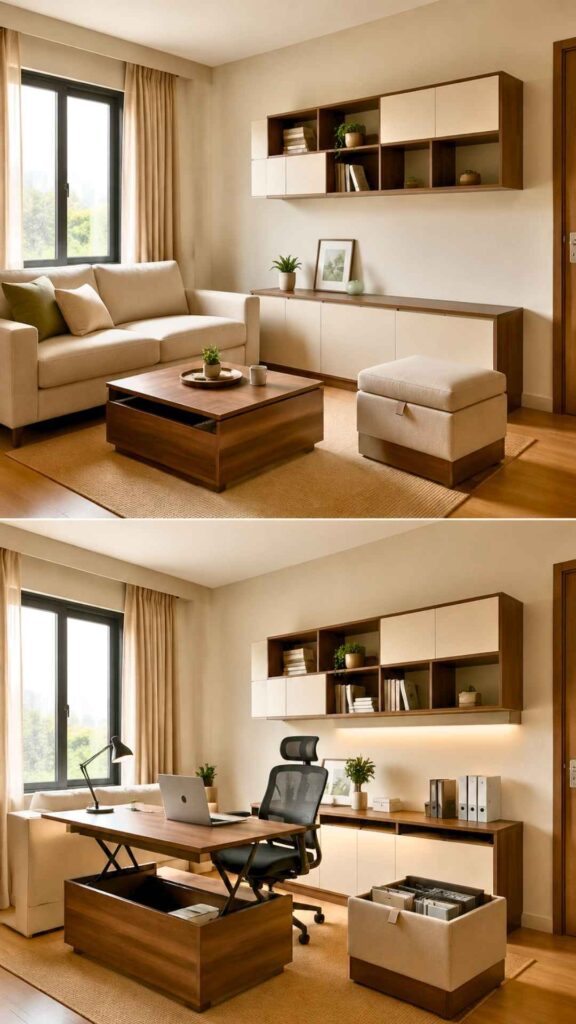
Modular furniture, expandable dining tables, adjustable shelving, and adaptable storage solutions allow your home to change with your needs.
The best small apartment furniture ideas are not only suitable for today but also practical for future requirements.
8. Ignoring Vertical Space and Wall-Based Furniture Solutions
Many homeowners focus only on floor space and forget that walls can provide valuable storage opportunities.
In small homes, vertical storage can significantly improve functionality. Floor-to-ceiling cabinets, wall-mounted shelves, and vertical organizers help free up valuable floor area.
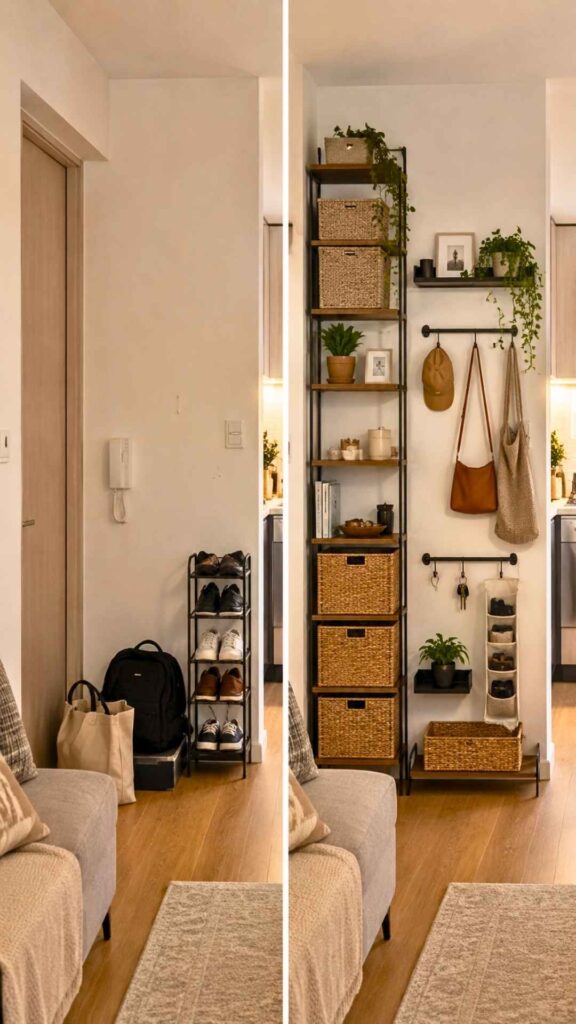
However, balance is important. Covering every wall with storage can make the room feel crowded.
The goal is to use vertical space strategically while maintaining visual comfort and openness.
9. Choosing Trendy Furniture Instead of Practical Furniture
Many people purchase furniture because it looks attractive online or appears popular on social media. However, good furniture should match your lifestyle rather than simply follow a trend.
A designer chair, decorative table, or stylish sofa may look impressive in photographs but may not suit your daily routine.
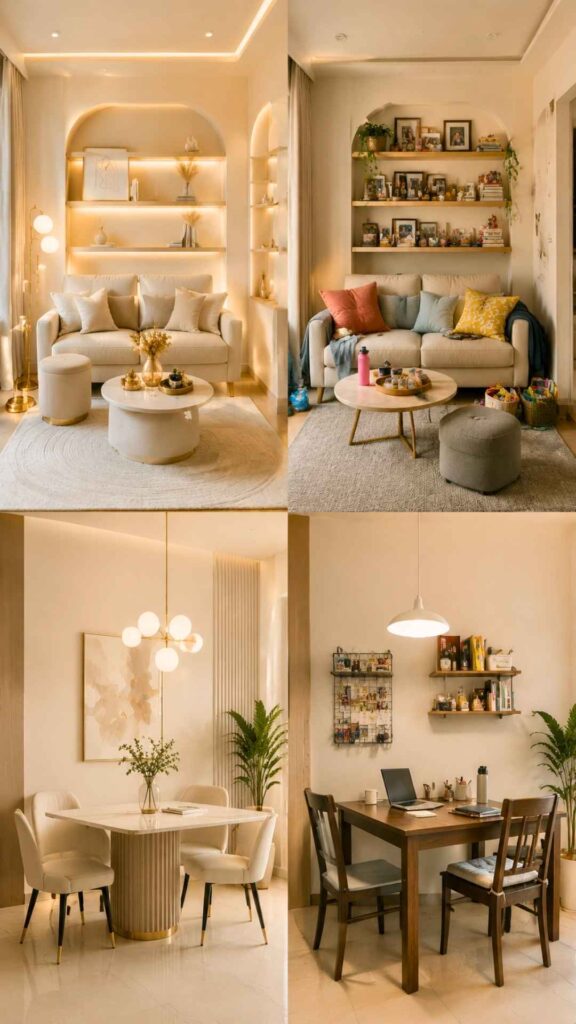
Before buying a trendy piece, consider:
Will it fit my room size?
Will I use it regularly?
Is it easy to maintain?
Does it support my lifestyle?
Beautiful furniture is not always practical furniture. The best choice combines appearance, comfort, and everyday usability.
10. Filling Every Corner and Ignoring the Importance of Empty Space
One of the biggest mistakes in small homes is trying to fill every available corner with furniture and decoration.
Empty space is not wasted space. It helps a room feel balanced, comfortable, and larger.
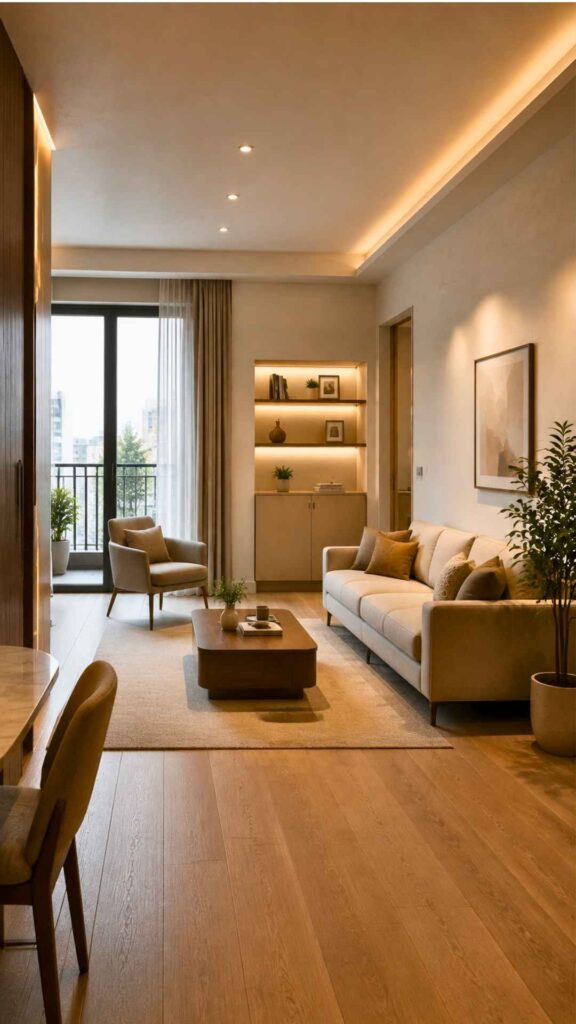
Premium interiors are not created by adding more furniture; they are created by choosing the right pieces and allowing them enough breathing room.
A home does not need to look full to feel complete. The right furniture arrangement can make even a small apartment feel spacious and inviting.
Final Thoughts
Choosing furniture for small spaces is not about buying the smallest furniture available. It is about selecting pieces that match your room, lifestyle, storage needs, and daily movement.
The right furniture combines smart functionality, balanced proportions, lightweight design, and thoughtful placement. A small apartment can feel premium and comfortable when every piece has a purpose.
Good furniture does not simply fill a room—it improves the way you live in it.