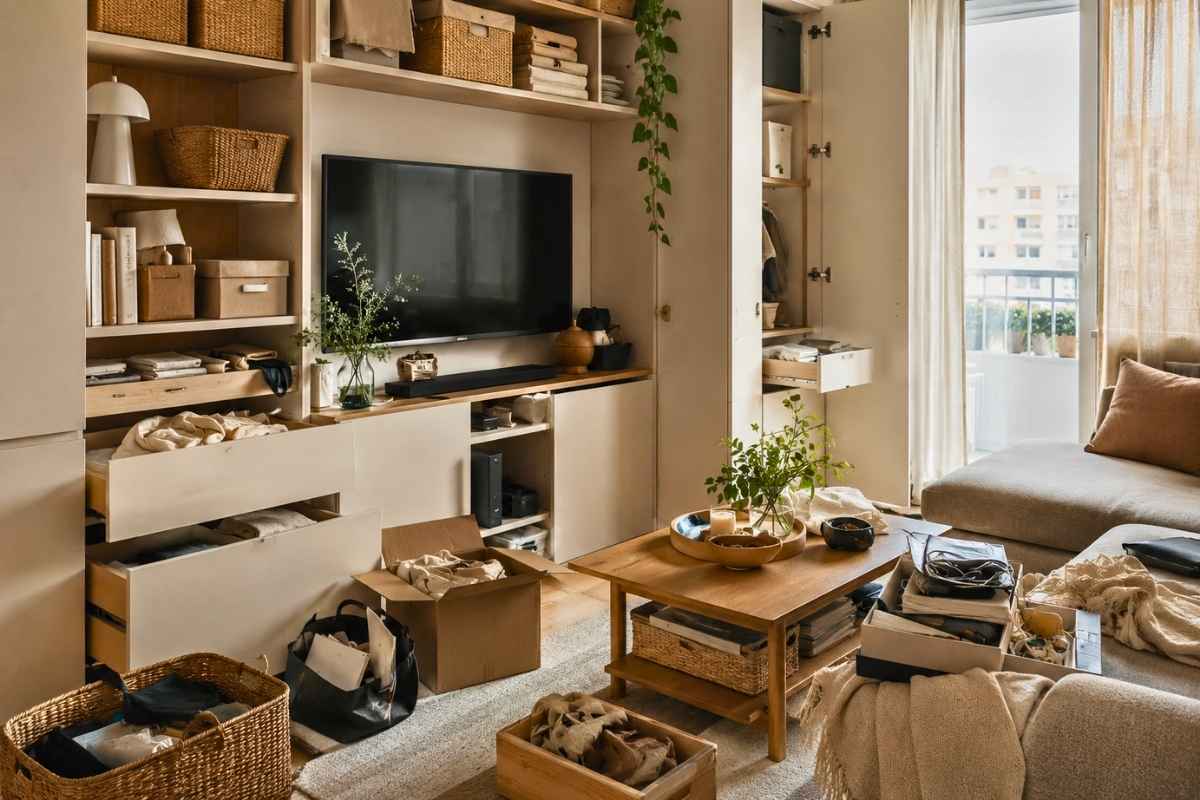
Discover practical Small Space Storage Ideas that actually work. Learn the common storage mistakes that make small homes cluttered and how to create a more functional, organized living space with smart solutions.
A common problem in many small homes is that limited space often encourages people to buy more storage solutions. They purchase new cabinets, baskets, boxes, and organisers hoping to create a cleaner and more organised home. However, after a few months, the clutter returns and the space starts feeling crowded again.
This raises an important question: are we actually using storage correctly?
From an interior designer’s perspective, effective storage is not simply about creating more space. It is about making everyday life easier by ensuring that items are easy to find, routines become smoother, cleaning requires less effort, and every family member knows where things belong.
Many homeowners purchase attractive storage solutions they see online, but these ideas often fail because they do not match their actual lifestyle and daily habits.
In this article, we will explore the practical mistakes that make maintaining order in small homes difficult and understand how better Small Space Storage Ideas can create a more functional living environment.
1. Buying Storage Before Understanding Your Actual Needs
When people notice clutter spreading throughout their homes, their first reaction is often, “We need more storage.” This leads them to purchase additional baskets, drawers, containers, and cabinets without understanding the real problem.
However, the first question should be whether the home truly lacks storage or whether it simply contains too many unnecessary belongings. If a storage system is designed for 100 items but the household owns 150 items, adding more storage will never completely solve the problem.
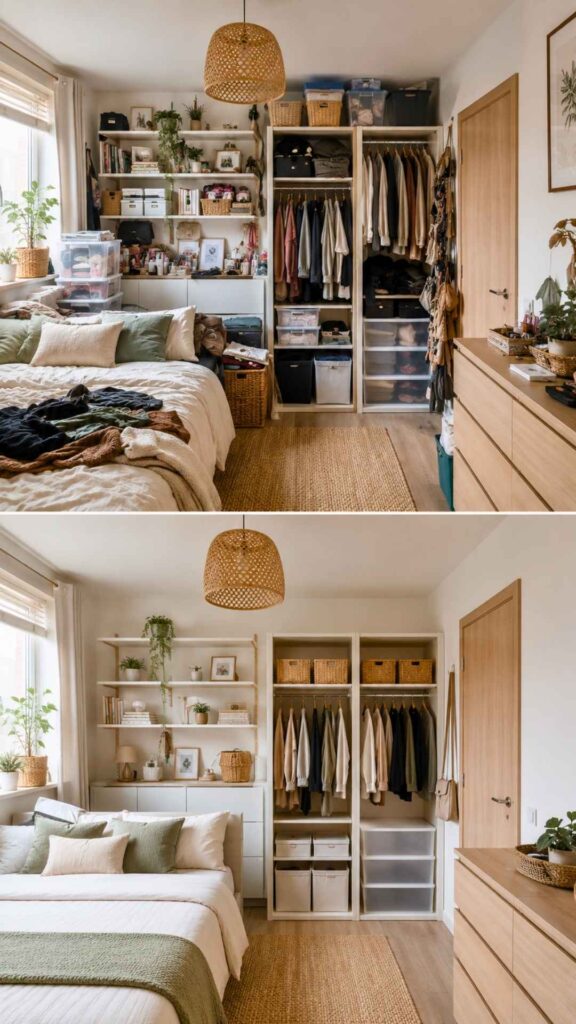
The first step is to identify which items are used daily, which are needed occasionally, and which are simply occupying valuable space without serving any purpose.
Decluttering should always come before storage planning because only after removing unnecessary items can you understand what type of storage your home actually requires.
Buying attractive organisers may improve the appearance temporarily, but they cannot solve the problem of excessive belongings.
2. Storing Things Where Space Is Available Instead of Where They Are Used
Many homes appear organised because everything has a designated place, but the placement of items does not always match daily activities.
For example, spices may be stored far away from the cooking counter, plates may be kept away from the dishwasher, and cleaning products may be scattered across different areas.
Although the home may technically look organised, daily routines become inconvenient.
Good storage should be planned around activities rather than simply around available space. Spices and cooking tools should stay near the cooking zone, shoes and bags should be placed near the entrance, and everyday accessories should remain easily accessible in the bedroom.
3. Creating Storage Systems That Are Too Complicated
Some homeowners create storage systems that are difficult to maintain. They purchase multiple organisers, separate boxes for every small category, and detailed systems that look perfect initially but become frustrating over time.
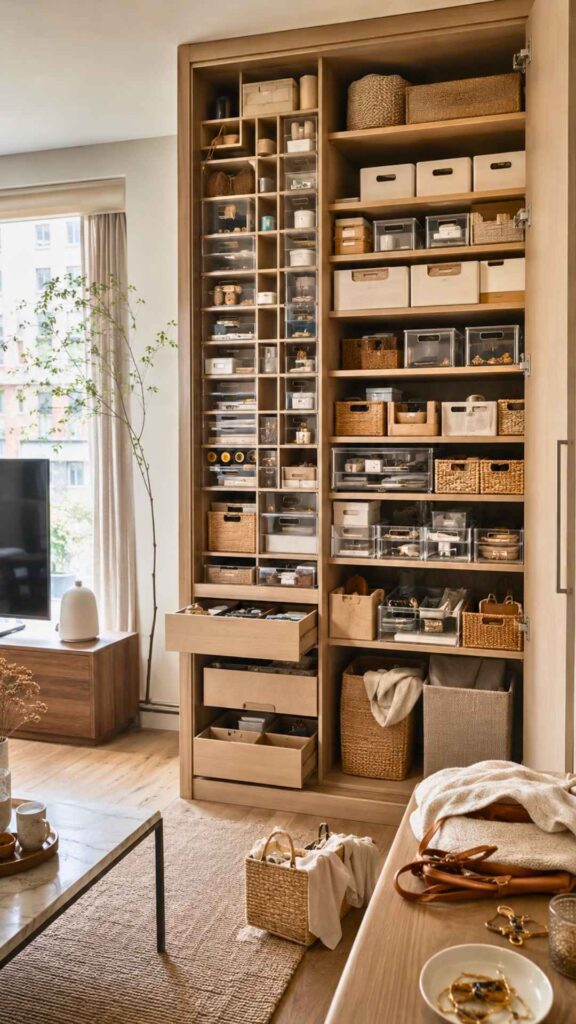
A practical storage system should be simple enough for every family member to follow.
Frequently used items should remain easy to access, while less-used belongings can be stored away neatly.
If returning an item to its place requires too much time and effort, people will eventually stop following the system and leave things outside.
4. Using Hidden Storage to Hide Clutter
Closed cabinets can make a home appear clean and organised, but they can also become hidden spaces filled with random boxes, unused products, and forgotten belongings.
The important question is: have we actually organised these items, or have we simply hidden the clutter behind doors?
The purpose of storage is to manage belongings effectively, not just conceal them.
Storing too many frequently used items inside deep cabinets can also create unnecessary difficulty in daily life.
5. Ignoring the Importance of a Daily Reset System
A home may look perfectly clean in the morning but become cluttered again by evening. The reason is often the absence of simple systems that help people return items to their proper places.
An organised home does require regular maintenance, but the process should not feel exhausting.
Small habits such as keeping a basket near the entrance for everyday items, following a laundry routine, maintaining a kitchen closing process, and spending 10 minutes on an evening reset can make a significant difference.
The goal is not to clean constantly but to create systems that allow the home to maintain itself.
6. Failing to Update Storage According to Lifestyle Changes
A household’s needs change over time, but storage systems often remain unchanged for years.
A storage arrangement that works perfectly for a couple may no longer be suitable after having children or shifting to a work-from-home lifestyle.
The question to ask is: does your storage system support your current way of living?
Storage should not be considered a permanent arrangement. It should adapt as your lifestyle, family size, and daily requirements change.
7. Ignoring Vertical Storage Opportunities
One of the biggest mistakes in small homes is ignoring vertical space.
While floor area may be limited, walls in kitchens, bedrooms, and living rooms often remain unused.
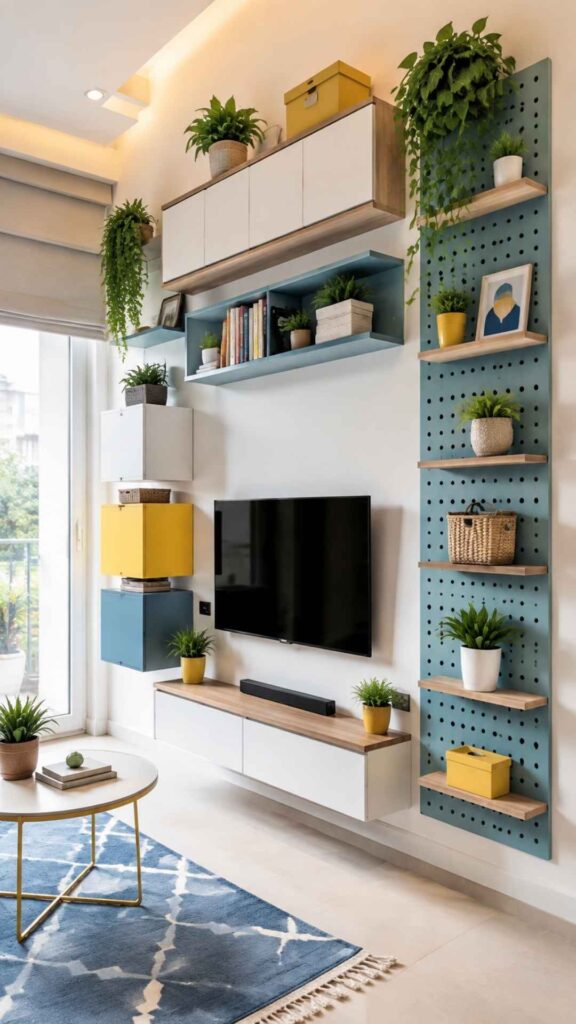
Using wall-mounted cabinets, floating shelves, and vertical organisers can significantly improve storage capacity.
However, balance is important because covering every wall with storage can make a room feel visually heavy and cramped.
The right approach is to use vertical space strategically while maintaining a sense of openness.
8. Giving Equal Importance to Every Item
Many homes give equal importance to every item, which creates inefficient storage.
Rarely used objects often occupy the easiest-to-reach spaces, while daily essentials are kept in difficult locations.
Your storage system should reflect your daily priorities.
Items used every day should be placed at eye level, weekly-use items can be stored on middle shelves, and seasonal belongings can be moved to higher or less accessible areas.
Good organisation comes from understanding what deserves the easiest access.
9. Confusing Aesthetic small space storage ideas With Functional Storage
A major mistake many homeowners make is confusing beautiful storage with useful storage.
People often see stylish homes online and try to recreate those designs without considering their own lifestyle, family needs, and available space.
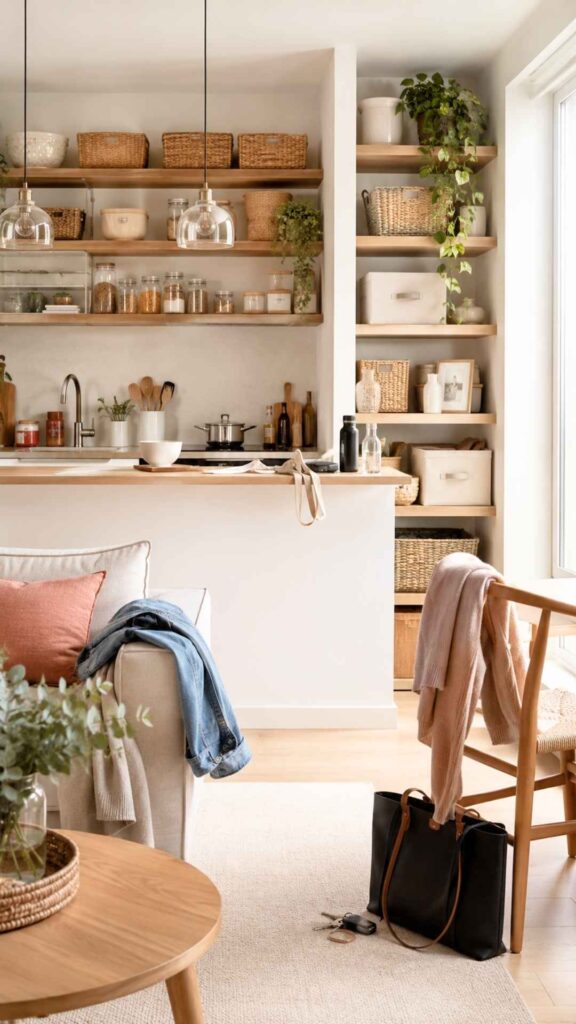
Many popular tiny apartment storage ideas look attractive in photographs but may not work practically in everyday life.
Storage should not only improve the appearance of a home; it should solve real problems.
Before choosing any storage solution, consider whether it genuinely supports your daily routine.
10. Ignoring Future Needs While Planning Storage
When planning storage, it is important to think beyond current requirements.
A storage system that works today may become unsuitable after a few years as family needs and belongings change.
Children grow, work patterns change, and household items increase over time.
The question is whether your storage will remain useful five years from now.
Flexible storage solutions that can adapt to changing needs are often the better long-term choice.
Final Thoughts
In small homes, the challenge is not always a shortage of space. Often, the real issue is that storage has not been designed around the way people actually live.
The best Small Space Storage Ideas are not about adding more cabinets, boxes, or containers. They are about creating a system where everything has a practical place and everyday activities become easier.
True organisation does not come from hiding clutter. It comes from keeping the right things in the right places and designing a home that supports your lifestyle.