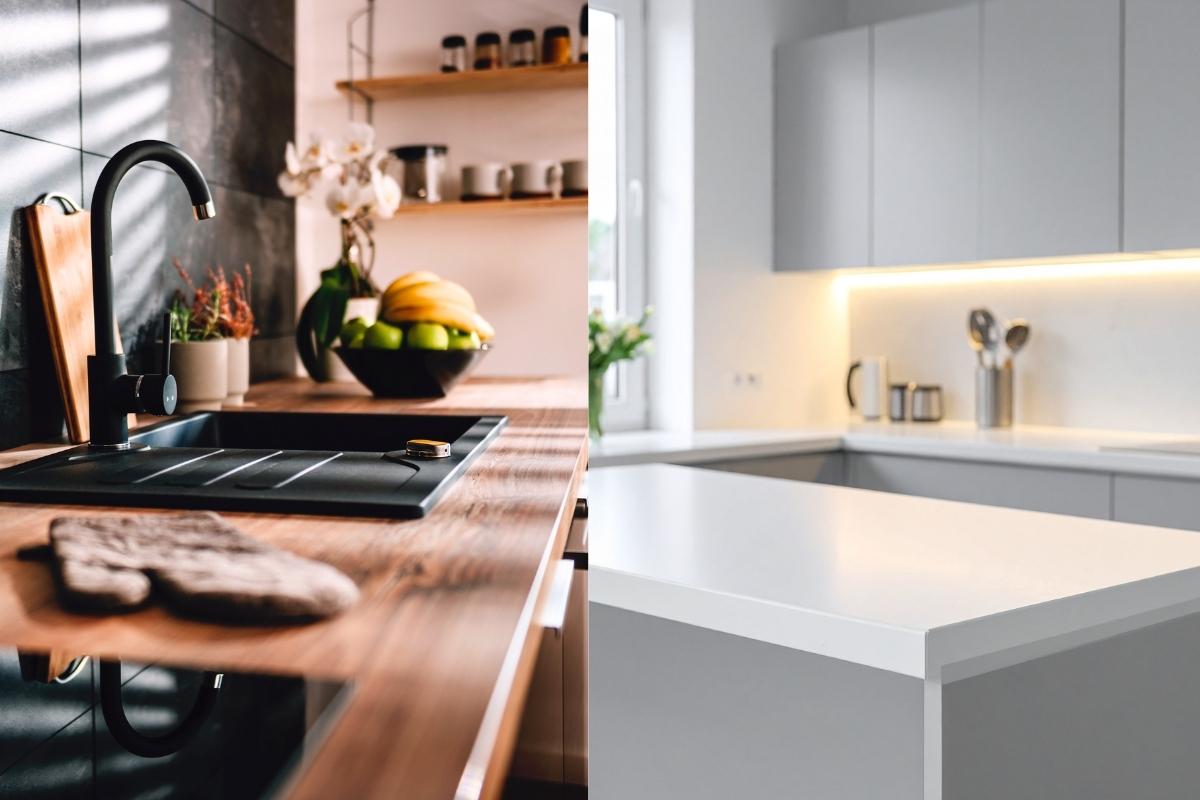
Discover 10 sustainable storage ideas for small kitchen spaces using jars, boxes, bottles, old furniture, and walls to reduce clutter and waste.
My kitchen counter was properly organised just 15 days ago, yet clutter had already spread from the countertop to the cooking area. It was a familiar problem, and the immediate thought was to buy more containers to create extra space.
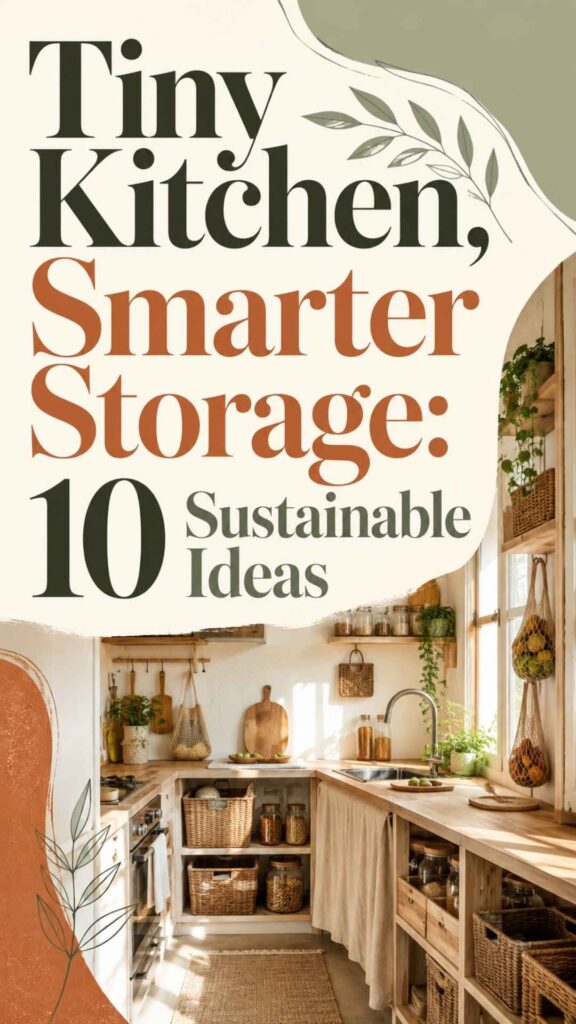
Many people respond to clutter by purchasing storage products without asking whether those purchases are genuinely sustainable.
Expensive bamboo or wooden boxes may look eco-friendly, but buying more items does not always solve the underlying problem.
True sustainability begins with using what is already available, and these storage ideas for small kitchen spaces help existing resources work harder.
1. Repurpose Glass Jars for Pantry Storage
Everyone wants a kitchen that looks attractive, practical, and organised. Choose groceries packed in reusable glass jars, including jams, pickles, sauces, and similar products.
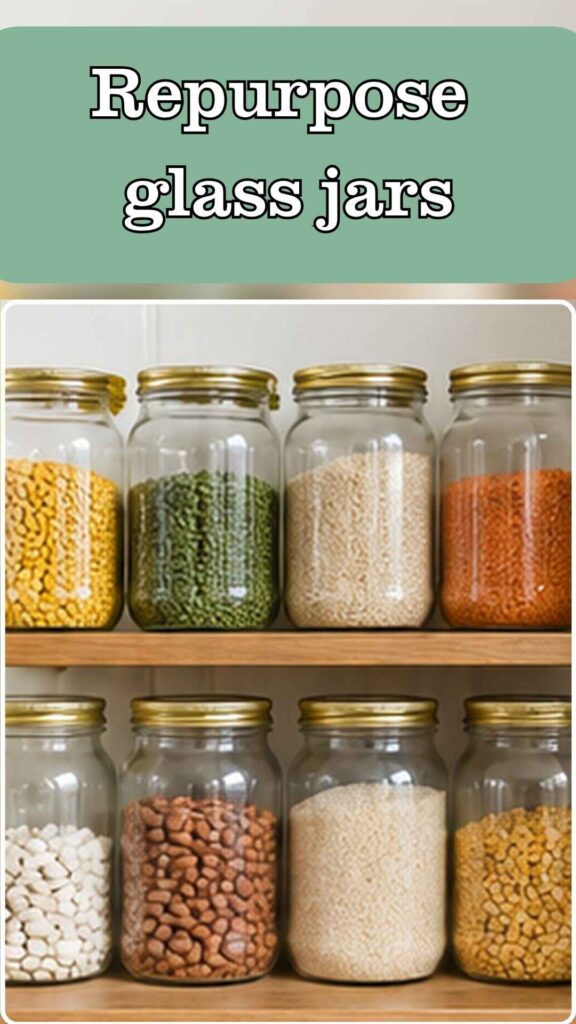
Glass jars are suitable for long-term storage and reduce the need for disposable plastic containers. Whenever possible, collect jars in similar sizes so you can gradually build a neat, matching set.
Among the easiest storage ideas for small kitchen spaces, this method keeps spices, rice, pulses, and seeds visible, protected, and accessible.
2. Turn Cardboard Boxes into Cabinet and Drawer Organisers
Homes regularly collect cardboard boxes from shoes, bakery products, deliveries, and mobile phones. Instead of discarding them or buying costly organisers, cover sturdy boxes with paper and place them inside cabinets or drawers.
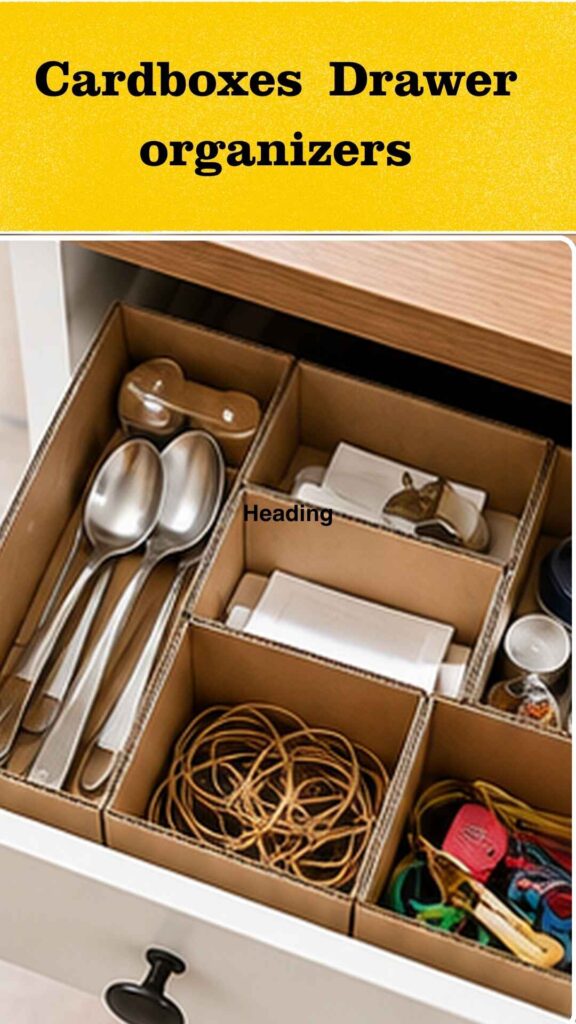
Small boxes can separate spoons, lids, clips, rubber bands, and other kitchen accessories. Larger boxes can group packets, cleaning cloths, reusable bags, or lightweight pantry supplies.
This is one of the most affordable storage ideas for small kitchen areas, provided the cardboard remains clean, dry, and undamaged.
3. Reuse Fruit and Vegetable Net Bags
Many fruits and vegetables are sold in lightweight net bags that can be reused at home. These bags can hold tissues, plastic bags, kitchen towels, scrubbers, sponges, and other light accessories.
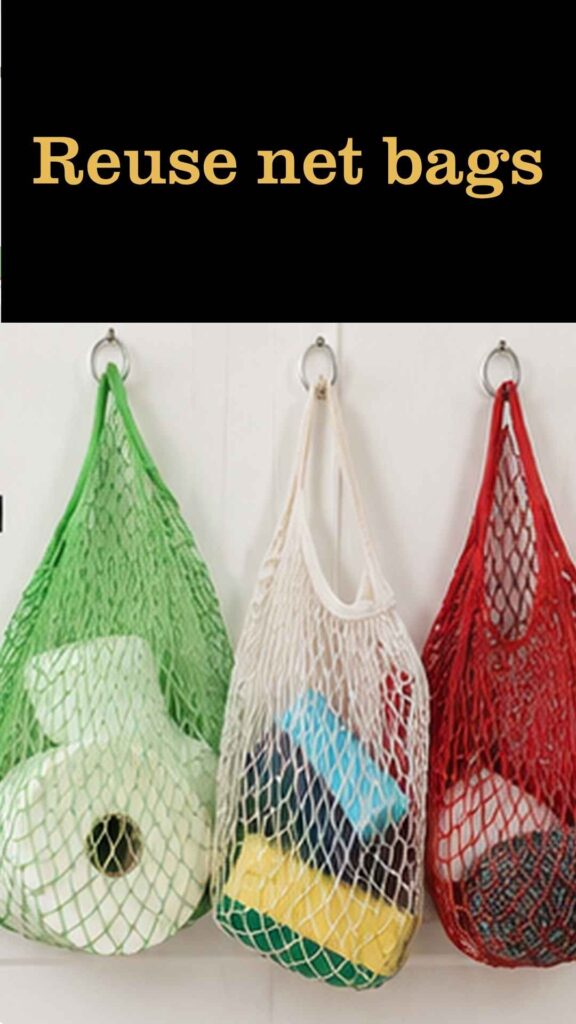
Because the net allows air to circulate, the contents are less likely to trap moisture or develop unpleasant smells. Fill the bags, hang them in an accessible place, and keep frequently used items off the counter.
Reusing produce nets supports storage ideas for small kitchen layouts with limited drawers, but sharp, heavy, or unwrapped food items should be avoided.
4. Use an Empty Tissue Box as a Bag Dispenser
An empty tissue box may look ordinary, but it can become a practical kitchen organiser. Fill it with clean plastic bags used for bin liners, general storage, or other household tasks.
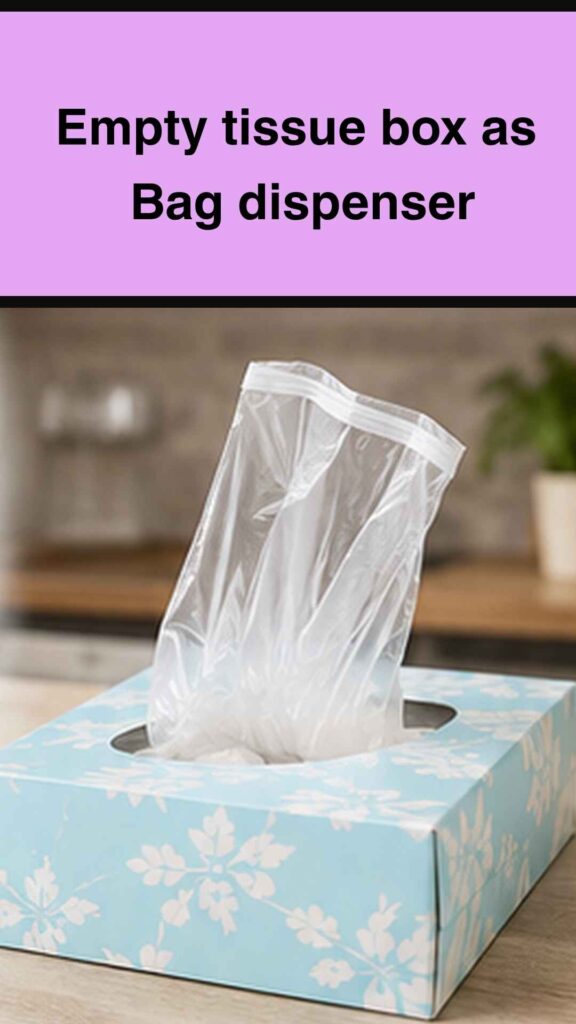
The opening makes each bag easy to remove while keeping the remaining bags contained. This avoids the cost of a dedicated dispenser and gives the box another useful life.
It is one of those storage ideas for small kitchen spaces that costs nothing and can be replaced whenever the box becomes worn.
5. Use Old Curtain Rings to Hang Kitchen Tools
Old curtain rings are often discarded when curtains or rods are replaced. In the kitchen, they can hold gloves, towels, reusable bags, lightweight spoons, and small utensils. Attach them to an existing tension rod, or install a rod inside a cabinet or unused corner.
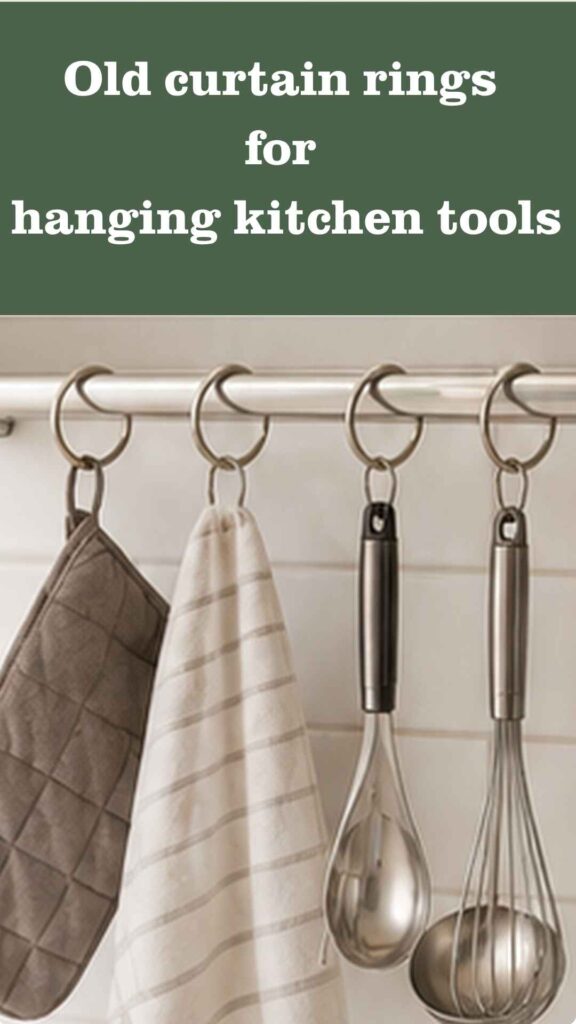
This creates hanging storage without requiring an entirely new system. The value of this approach depends on secure fittings, safe placement, and avoiding items that are too heavy.
6. Reuse Plastic Bottles Creatively
Plastic bottles of different sizes often accumulate at home, and disposing of them responsibly can be difficult. Repurposing suitable bottles can extend their useful life and prevent unnecessary waste.
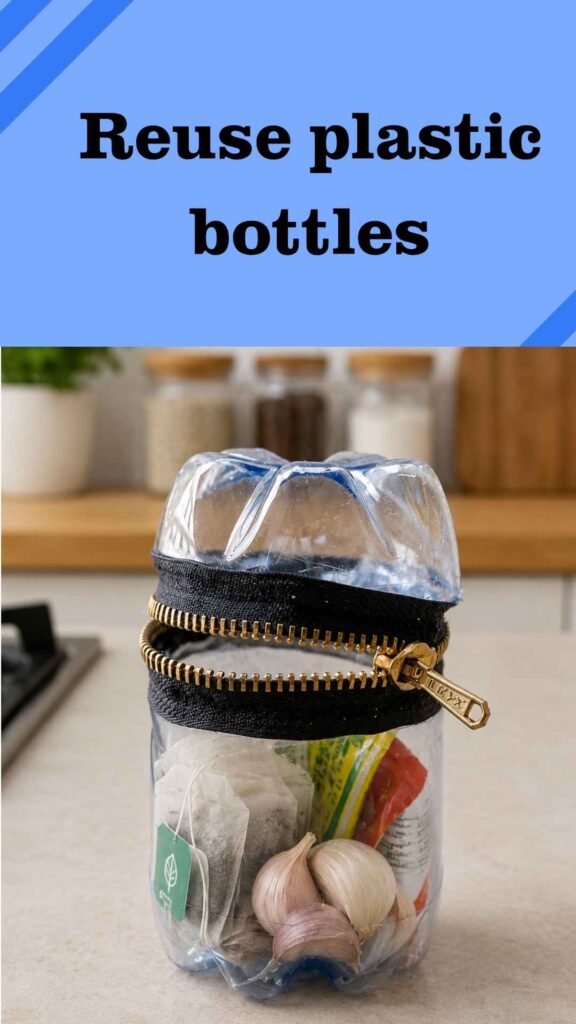
Turn them into window planters, lightweight hanging planters, or zippered containers made by joining two cut bottle sections. The wider opening can hold larger household items in the refrigerator, pantry, or another room.
As with all storage ideas for small kitchen spaces, smooth every cut edge and keep handmade plastic containers away from heat.
7. Follow the “One In, One Out” Rule
A sustainable kitchen does not require you to stop buying useful or beautiful things. Follow the “one in, one out” rule whenever you purchase a new container, utensil, or appliance.
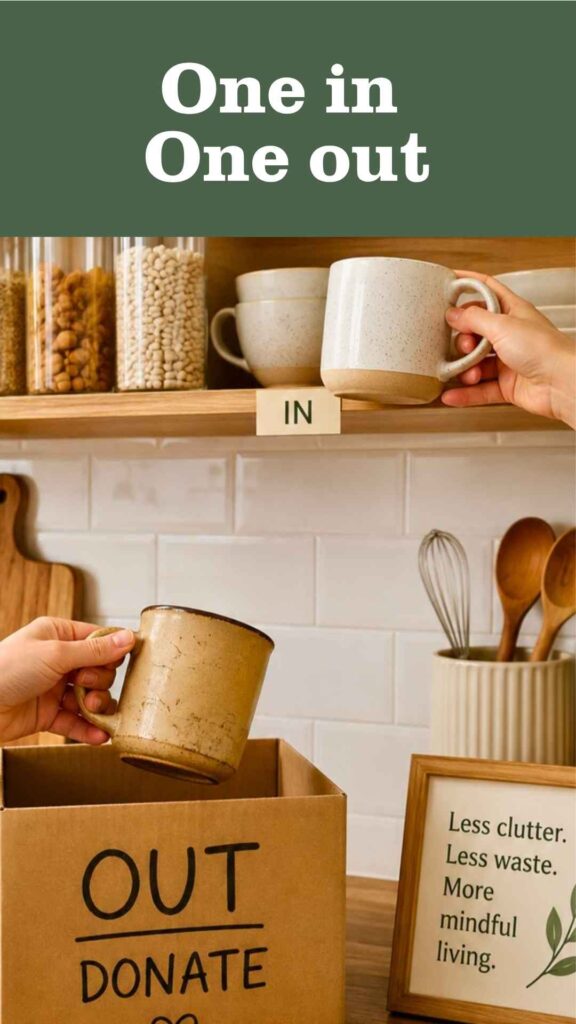
Remove one broken, duplicated, or unused item before adding its replacement. Donate, recycle, repurpose, or dispose of the old item responsibly according to its condition.
This habit prevents overcrowding and makes the rest of the kitchen storage system more effective over time.
8. Turn Old Furniture into Kitchen Storage
Before planning new cabinets, check whether unused furniture elsewhere in the home could serve a practical kitchen purpose.
An old bookshelf can become an open pantry, while a drawer unit may fit beneath a counter. Bamboo, wooden, or metal baskets can hold vegetables, linens, or packaged goods.
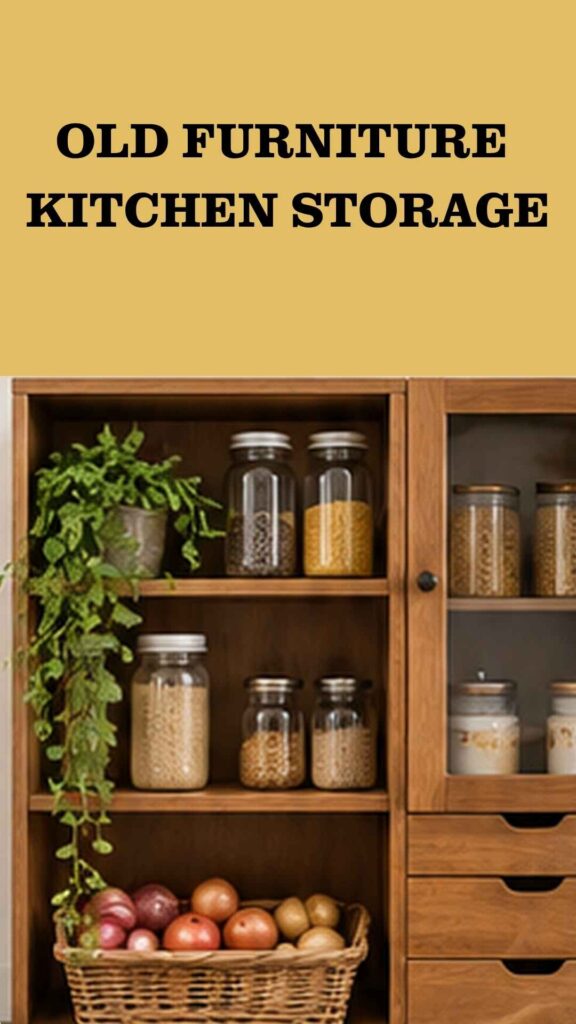
Use the furniture as it is, or refresh it through cleaning, minor repairs, and a suitable coat of paint.
Repurposed furniture offers flexible storage ideas for small kitchen spaces while reducing waste, provided every piece remains stable and easy to clean.
9. Create a “Use First” Basket – storage ideas for small kitchen
Kitchens often contain opened packets or products approaching their expiry dates. When left on the counter, these items create clutter, but when hidden away, they are easily forgotten.
Place them together in a dedicated “use first” basket on the countertop, pantry shelf, or refrigerator shelf.
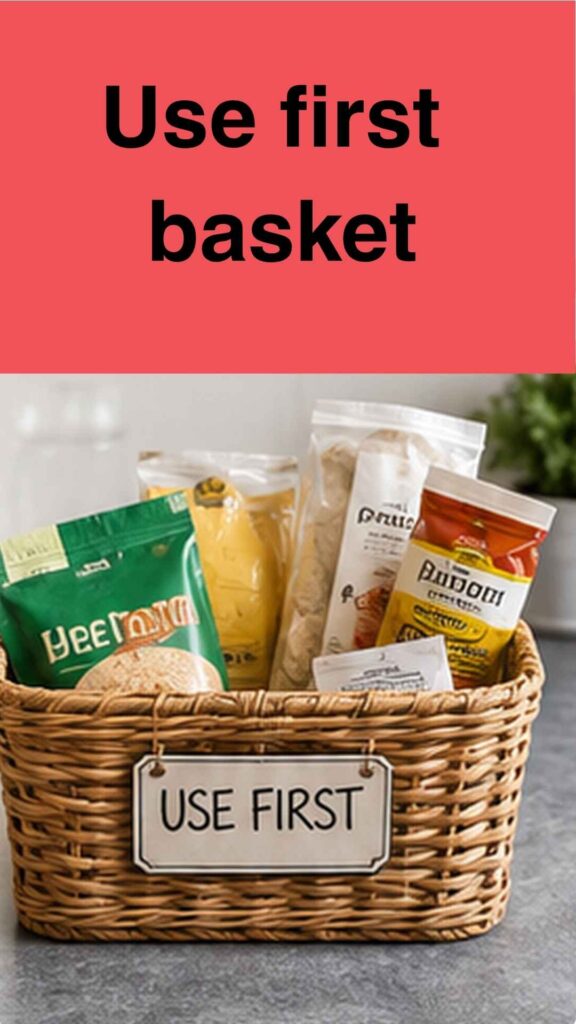
This keeps them visible, organised, and more likely to be used before they expire.
Among practical storage ideas for small kitchen spaces, this method reduces both visual clutter and avoidable food waste.
10. Make Better Use of Wall Height
Kitchen storage often focuses on horizontal surfaces, although vertical wall space may offer far more potential. Walls can hold utensils, towels, lightweight accessories, racks, hooks, or narrow shelves.
Vertical cabinets can store cookware and daily-use items that would otherwise crowd the countertop.
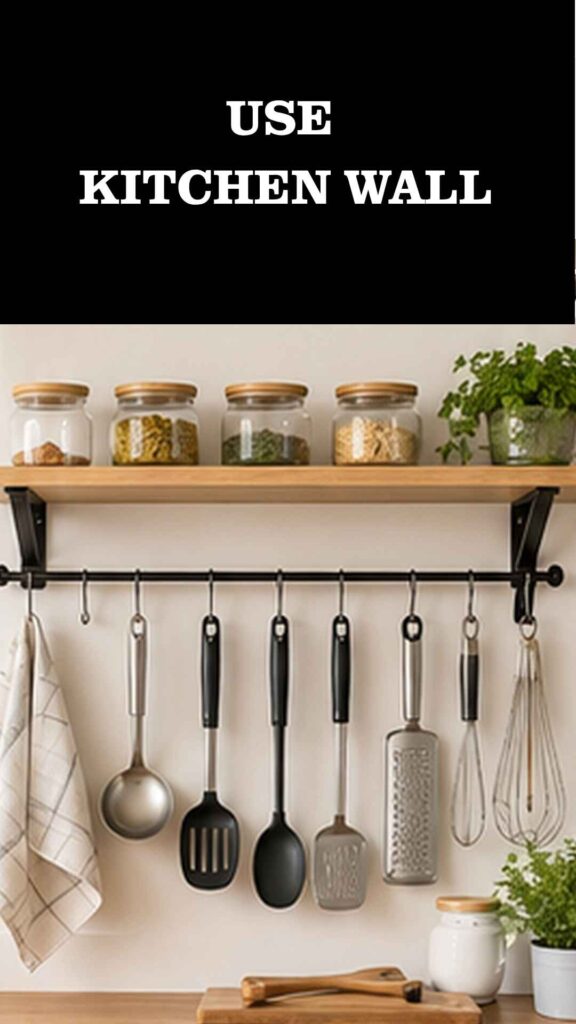
Keep frequently used objects at a comfortable height, and place seasonal or rarely used utensils higher up.
These vertical storage ideas for small kitchen spaces improve access, but every shelf, rod, and hook must be installed securely.
Final Thoughts
Not every discarded object is suitable for kitchen or food storage. Avoid containers that previously held chemicals, pesticides, raw meat, or strong cleaning products.
Never reuse rusty cans, cracked plastic, damp cardboard, chipped glass, or sharp objects.
These suggestions do not require a minimalist lifestyle, an end to new purchases, or the removal of kitchen decoration. The goal is to use every item and available space efficiently without creating waste or unnecessary clutter. A jar, box, ring, bottle, basket, or old shelf can become useful storage when chosen carefully and used safely.