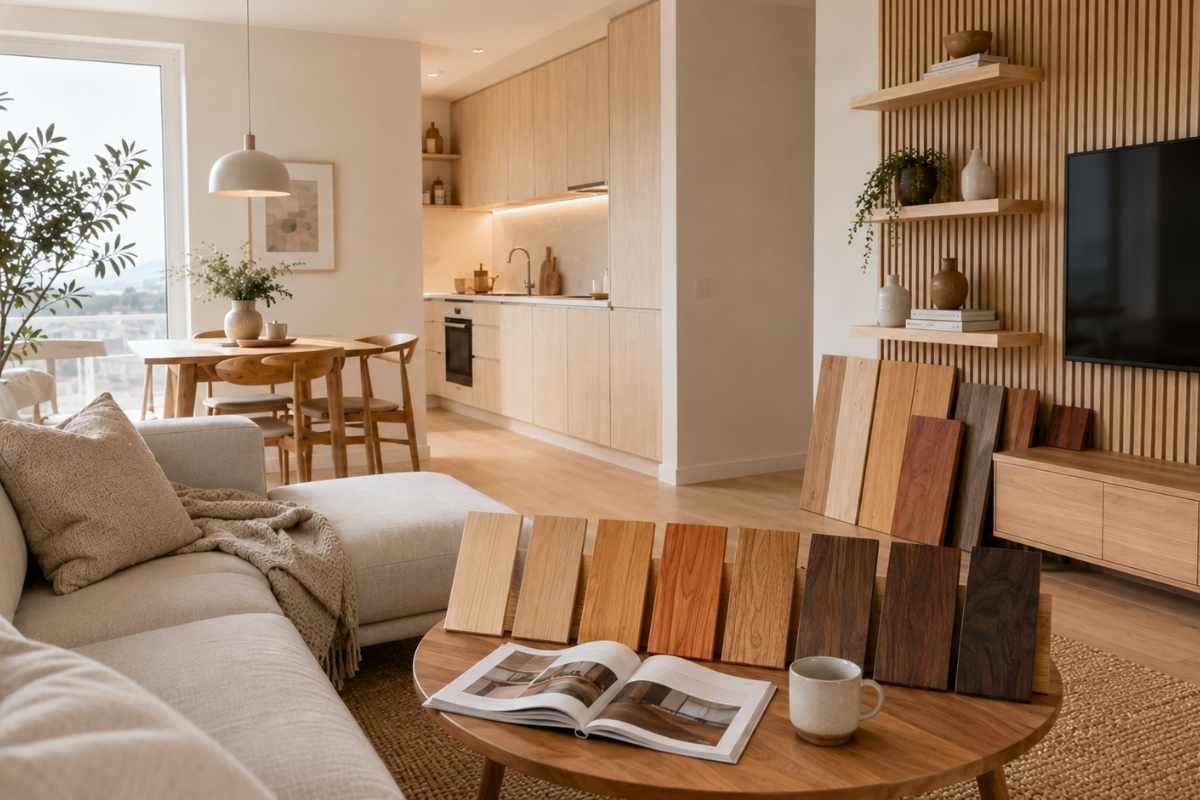
Wood can completely change the feeling of a small room. In compact homes, apartments, kitchens, bedrooms, and studios, texture matters as much as color. A soft, fine wood grain can make a room feel open and calm, while a bold grain can add warmth, depth, and personality.

The key is choosing the right wood texture for the right purpose. Some woods are better for flooring, some for cabinets, some for furniture, and some only for accent walls. Moisture protection is also important because wood naturally reacts to humidity, water, and temperature changes.
This guide explains ten popular woods, their textures, where to use them in small spaces, and how to protect them from moisture.
Why Wood Texture Matters in Small Spaces
In a small space, every surface is visible. Walls, cabinets, flooring, and furniture sit close to the eye, so the wood grain becomes part of the overall design.
The right wood texture can:
- make a small room feel warmer and more natural
- add depth without adding clutter
- make a narrow room feel longer when grain runs lengthwise
- create a luxury look with fewer materials
- balance plain walls, soft fabrics, and modern furniture
For small rooms, the best wood textures are usually light, calm, fine-grained, or used carefully as accents. Very dark, glossy, or heavily patterned wood should be used in limited areas.
1. White Oak
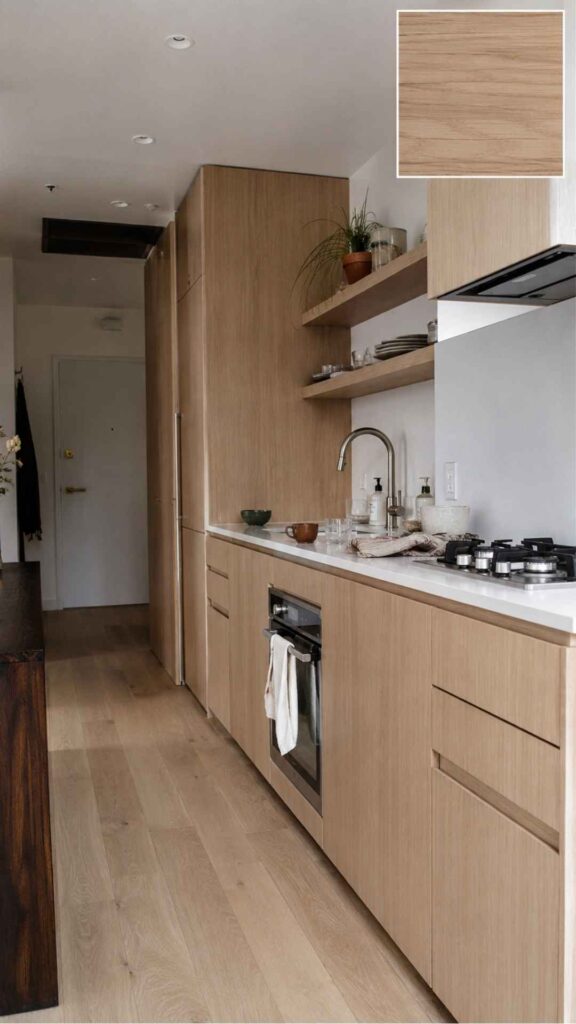
White oak is one of the best woods for small spaces. It has a beautiful grain that feels natural but not too busy. Its light beige, tan, and soft brown tones make rooms feel warm, modern, and spacious.
Best uses in small spaces
White oak works well for flooring, kitchen cabinets, wall panels, floating shelves, bedroom furniture, and compact dining tables. In small kitchens, white oak cabinets look premium without making the room feel heavy. On floors, long white oak planks can visually stretch the room.
Water behaviour and protection
White oak has better moisture resistance than many domestic woods, but it is not waterproof. It still needs sealing, especially in kitchens and humid areas.
Best protection: transparent PU coating, clear varnish, hardwax oil, or sealed matte finish. For kitchens and flooring, PU coating or varnish is safer than raw oil.
2. Red Oak
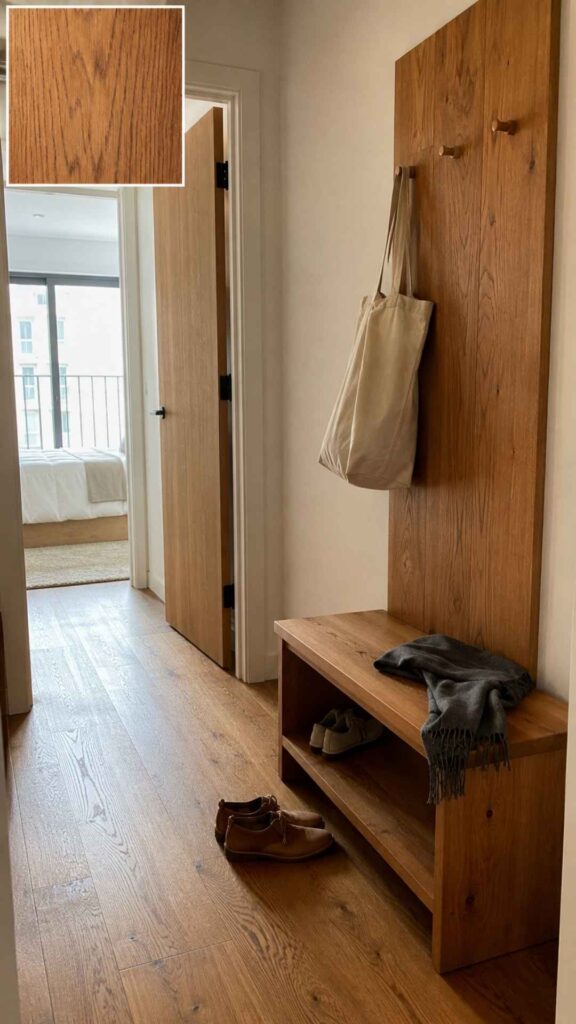
Red oak has a bold, open grain with strong natural movement. It adds character, but in small spaces it should be used carefully because too much strong grain can make a room feel busy.
Best uses in small spaces
Red oak is suitable for flooring, accent furniture, wall panels, coffee tables, benches, and bookshelves. It works best in small living rooms, hallways, and rustic interiors. Use it with simple walls and light fabrics to balance the bold texture.
Water behaviour and protection
Red oak has open pores and is not naturally decay-resistant. Water can enter the grain and cause staining or damage.
Best protection: pore filler with polyurethane or varnish. Avoid using red oak near sinks, bathrooms, or areas where water may stand.
3. Hard Maple
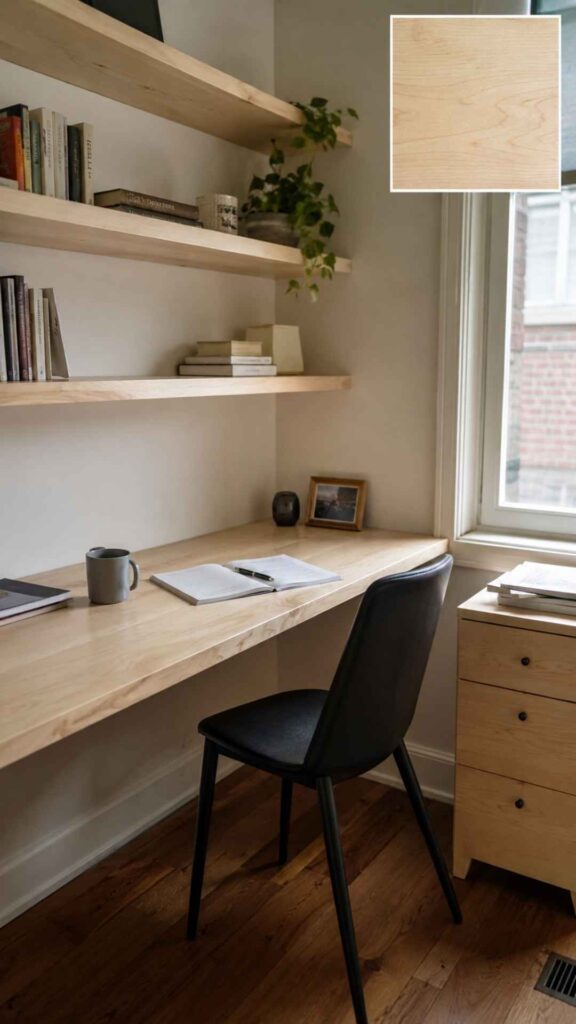
Hard maple has a fine, smooth, and clean texture. It is perfect for small spaces because it does not visually crowd the room. Its pale color also helps compact interiors feel brighter.
Best uses in small spaces
Hard maple is excellent for small kitchen cabinets, wardrobes, desks, shelves, flooring, and bedroom furniture. It works especially well in modern, Scandinavian, and minimalist interiors.
Water behaviour and protection
Maple is strong indoors but not naturally decay-resistant. Water can stain or damage the surface if it is not properly finished.
Best protection: water-based polyurethane, clear lacquer, or cabinet-grade transparent finish. Avoid dark DIY stains because maple can sometimes stain unevenly.
4. Black Walnut
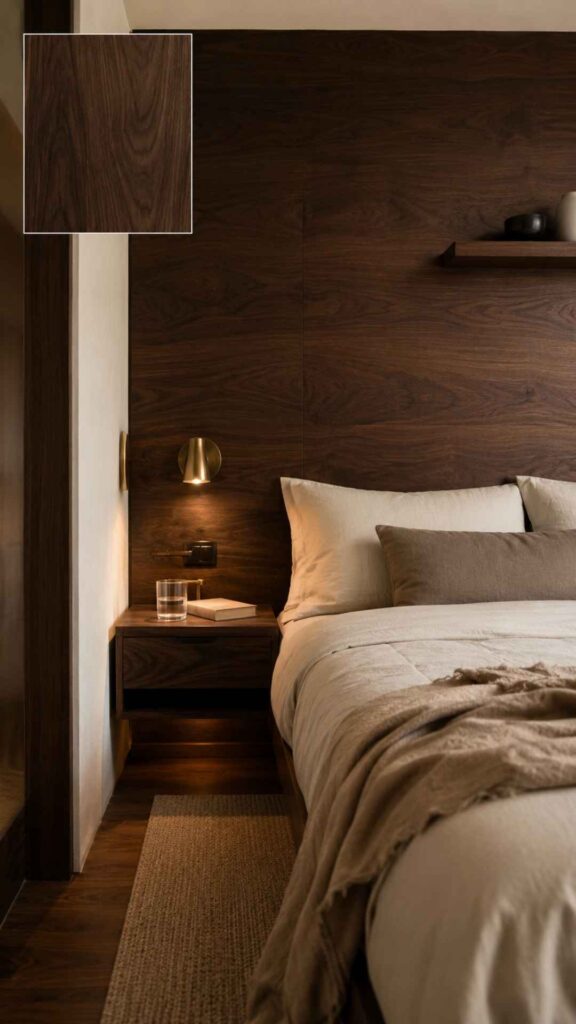
Black walnut is dark, rich, and luxurious. Its grain is elegant rather than overly loud, making it ideal for high-end accents in small rooms.
Best uses in small spaces
Walnut is best for accent walls, headboards, side tables, compact dining tables, shelves, consoles, and lower kitchen cabinets. In small rooms, use walnut as a feature rather than covering every surface. It pairs beautifully with cream walls, brass, beige fabrics, and warm lighting.
Water behaviour and protection
Walnut heartwood has good natural durability, but it can still get water rings, stains, or swelling if left unprotected.
Best protection: matte transparent PU, oil-varnish blend, or clear varnish. For tabletops and kitchen areas, PU or varnish is better than simple oil.
5. Black Cherry
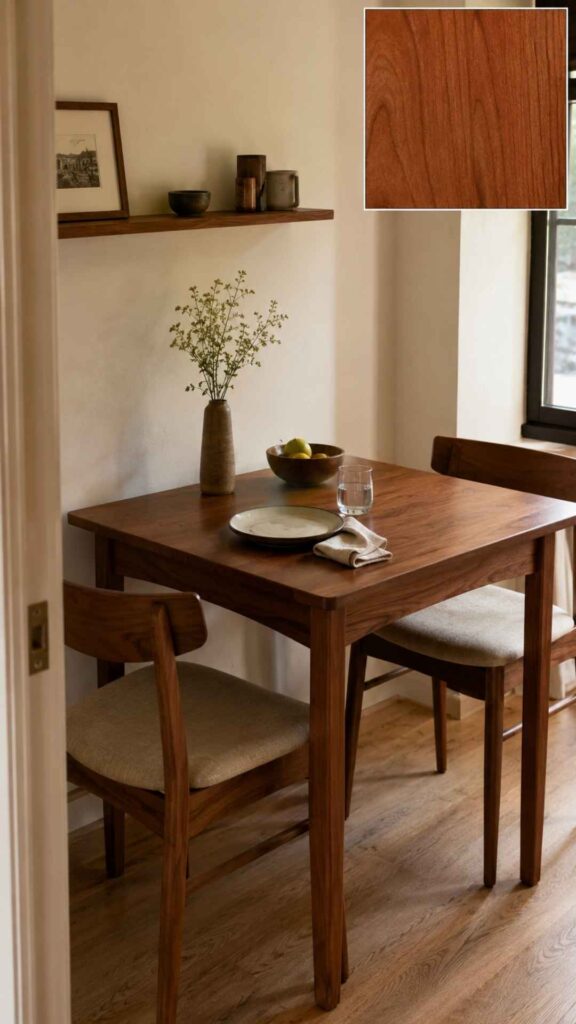
Black cherry has a smooth, fine texture and a warm reddish-brown tone that becomes deeper over time. It gives small spaces a cozy and classic look.
Best uses in small spaces
Cherry is ideal for bedroom furniture, wardrobes, dressers, cabinets, shelves, and compact dining furniture. It is especially useful when you want warmth without a very bold grain.
Water behaviour and protection
Cherry heartwood has some decay resistance, but it is not suitable for wet exposure. Water marks can appear if the finish is weak.
Best protection: clear varnish, transparent PU, or lacquer. Protect cherry furniture from standing water and strong direct sunlight for more even aging.
6. White Ash
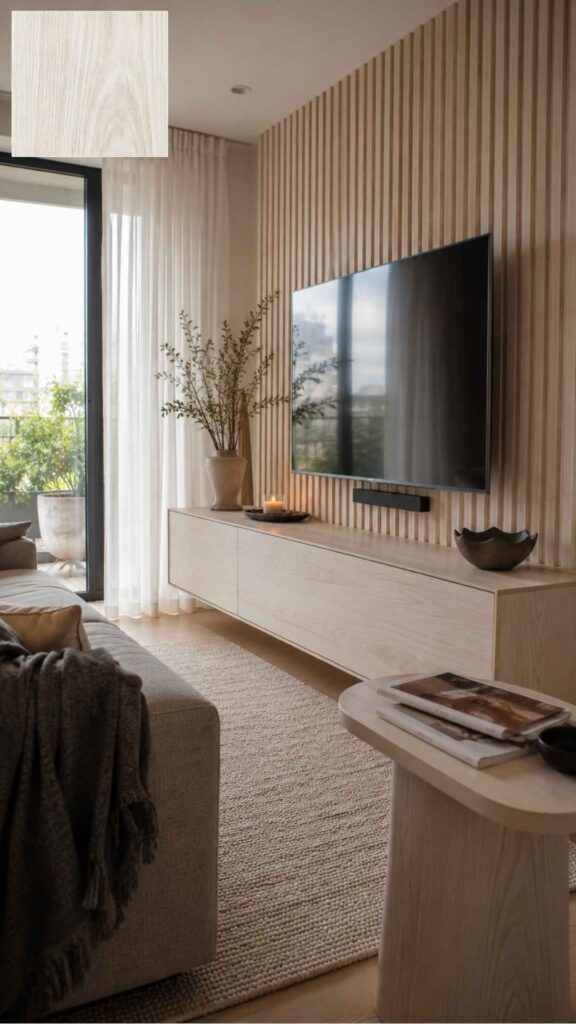
White ash has a light color and a bold grain. It gives small interiors energy while still keeping the overall look fresh.
Best uses in small spaces
Ash works well for chairs, desks, shelves, wall slats, cabinet fronts, and light furniture. Vertical ash slats can make a small wall look taller and more designed.
Water behaviour and protection
Ash has low natural rot resistance and should not be left raw in damp spaces.
Best protection: transparent PU, varnish, or paint. Avoid using ash in bathrooms or wet kitchen zones unless it is professionally sealed.
7. Hickory / Pecan
Best uses in small spaces
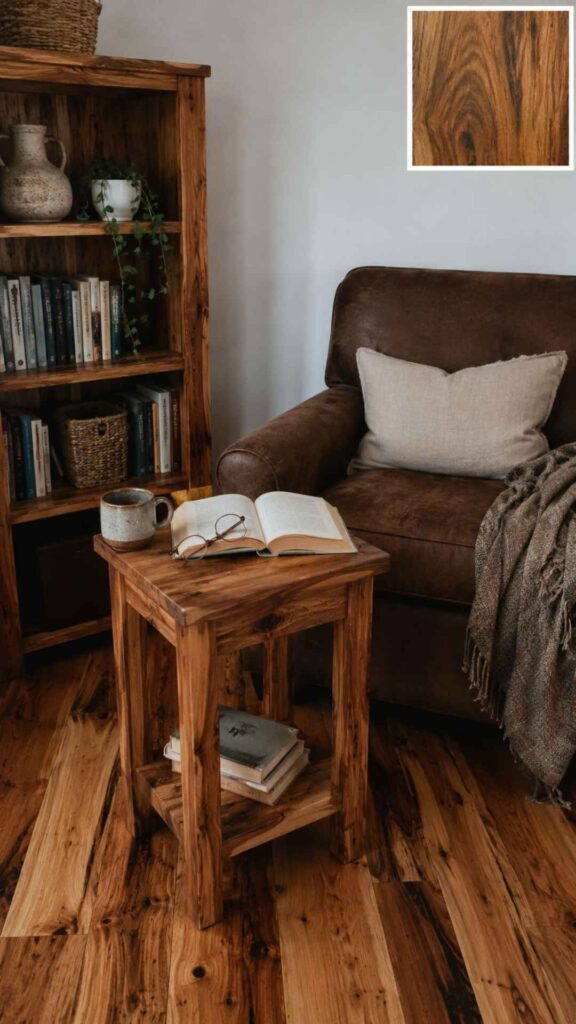
Hickory and pecan have dramatic grain, strong color variation, and a rustic personality. These woods are very hard and visually powerful.
Use hickory or pecan for statement flooring, benches, dining tables, shelves, and accent furniture. Because the texture is bold, keep the rest of the room simple. It works well in farmhouse, rustic, and industrial-style interiors.
Water behaviour and protection
Even though hickory is hard, it is not naturally decay-resistant. Moisture can still cause movement and damage.
Best protection: floor-grade polyurethane for flooring and clear varnish or PU for furniture. Avoid leaving hickory raw in kitchens or humid areas.
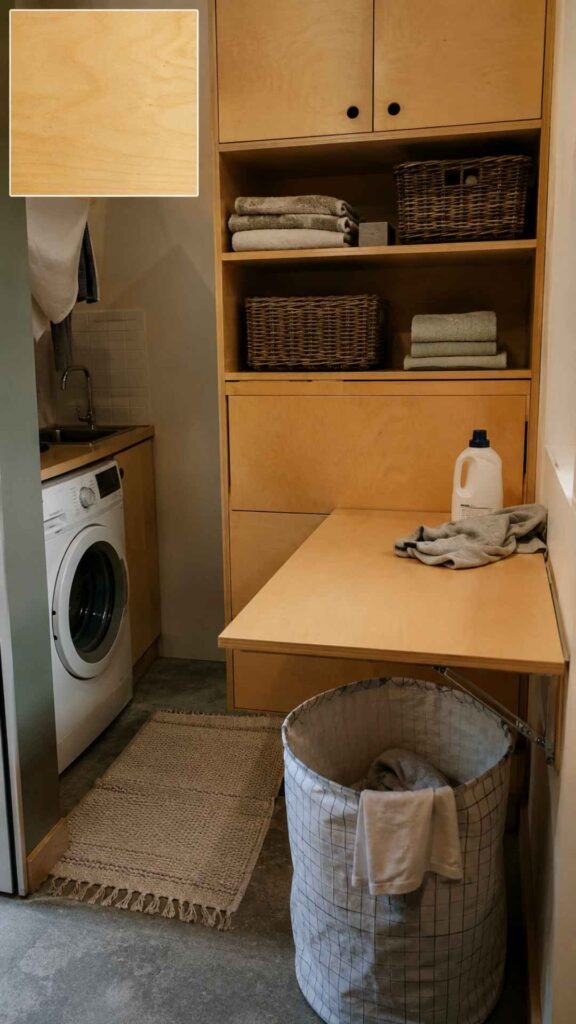
8. Yellow Birch
Yellow birch has a fine, even, pale texture. It is practical, clean-looking, and useful for compact furniture and built-ins.
Best uses in small spaces
Birch is good for kitchen cabinets, wardrobes, plywood panels, desks, shelves, storage beds, and wall-mounted furniture. It works well in small apartments because the grain is soft and not distracting.
Water behaviour and protection
Birch is not naturally durable in wet conditions. Exposed plywood edges can absorb moisture quickly.
Best protection: water-based PU, lacquer, or clear varnish. Always seal edges properly, especially for cabinets and plywood furniture.
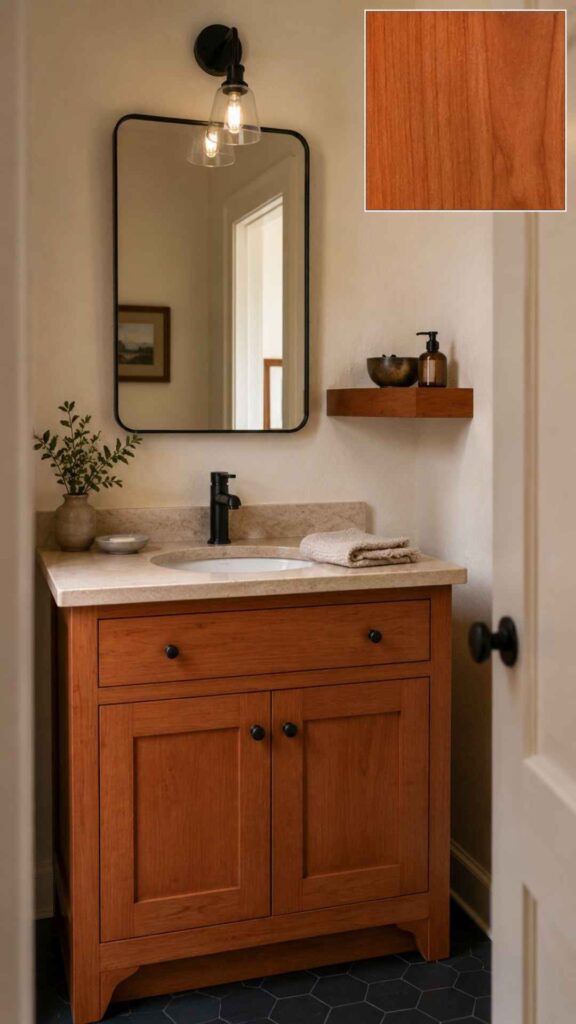
9. Red Alder
Red alder has a smooth, subtle texture with a soft reddish warmth. It is a good option for people who want a warm wood look without heavy grain.
Best uses in small spaces
Alder works well for cabinetry, built-ins, wardrobes, shelves, wall panels, and bedroom furniture. It can be stained or painted easily, making it useful for budget-friendly small-space interiors.
Water behaviour and protection
Alder is not naturally durable against moisture and should be treated as an indoor wood.
Best protection: clear coat, varnish, paint, or PU coating. In kitchens, seal all cabinet edges carefully and avoid constant water exposure.
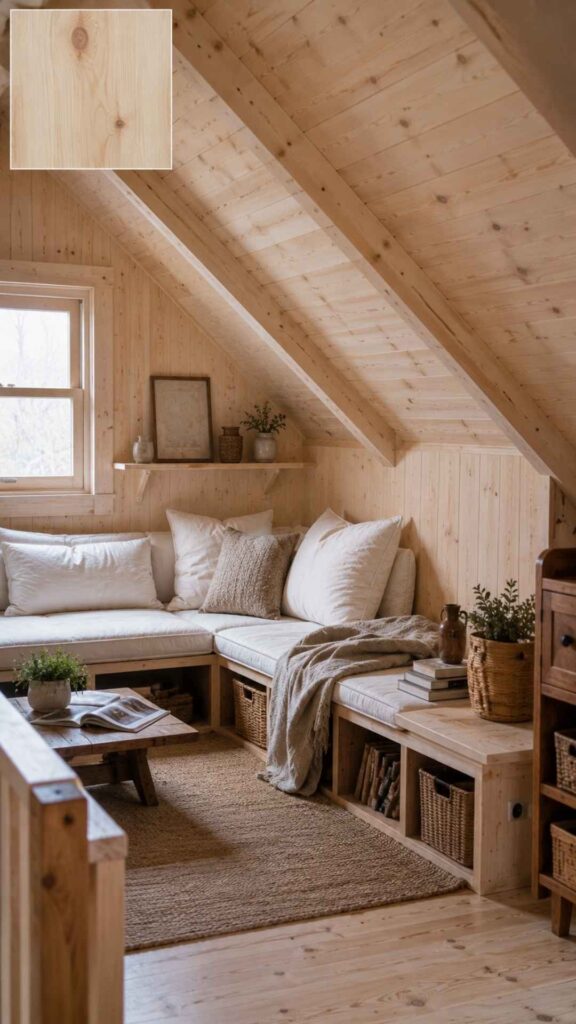
10. Eastern White Pine
Eastern white pine has a soft, calm, and casual texture. It gives small spaces a warm cottage-style feeling.
Best uses in small spaces
Pine is suitable for wall cladding, ceilings, shelves, benches, painted cabinets, and casual furniture. It works beautifully in bedrooms, attic rooms, reading corners, and cozy interiors.
Water behaviour and protection
Pine is soft and can dent easily. It also has only moderate to low moisture resistance.
Best protection: paint, stain with varnish, or transparent PU. For dry wall cladding, a matte clear finish may be enough. For kitchens or utility spaces, use stronger sealing.
Final Recommendation
For most small spaces, white oak is the safest and most stylish choice. It works for flooring, cabinets, furniture, and wall panels.
For a bright look, choose hard maple, birch, ash, or pine.
For luxury, use black walnut as an accent.
For warmth, choose black cherry or red alder.
For rustic character, use red oak or hickory, but keep the rest of the room simple.
The best wood for a small space is not always the most expensive one. It is the wood whose texture, color, and finish match the room size, lighting, purpose, and moisture conditions.
With the right wood texture and proper protection, even the smallest room can feel warm, spacious, stylish, and long-lasting.