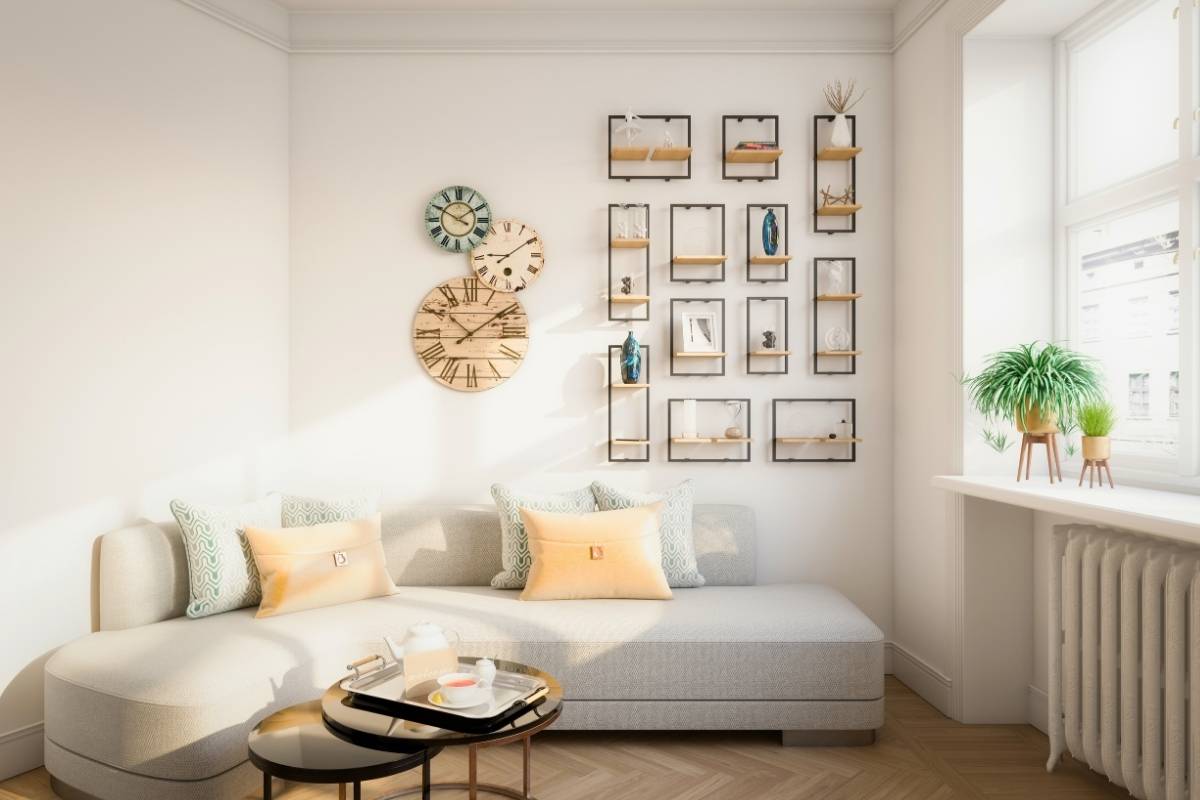
Discover practical ways to make a small house feel spacious with designer-approved tips, small home organization ideas, and clutter-free home ideas to create a brighter, more open living space.
Many homeowners believe that a small house feels cramped simply because there is not enough space. However, the real challenge is often not the size of the home but how the space is planned and organized. A thoughtfully designed 500-square-foot home can feel more open and comfortable than a larger home filled with unnecessary furniture and clutter.
If you are looking for practical ways to make a small house feel spacious, the solution is not always expensive renovation. Small changes in furniture placement, lighting, storage, colors, and layout can completely transform the way your home feels.
From smart small home organization ideas to simple clutter-free home ideas, interior designers focus on creating openness, improving natural light flow, and making every area feel purposeful.
1. Create a Consistent Visual Style to Make Small Spaces Feel Connected
One common mistake in small homes is creating different styles and personalities in every room, which results in a disconnected appearance. When the eye encounters too many contrasting colors, patterns, and materials, the space can feel smaller and more fragmented.
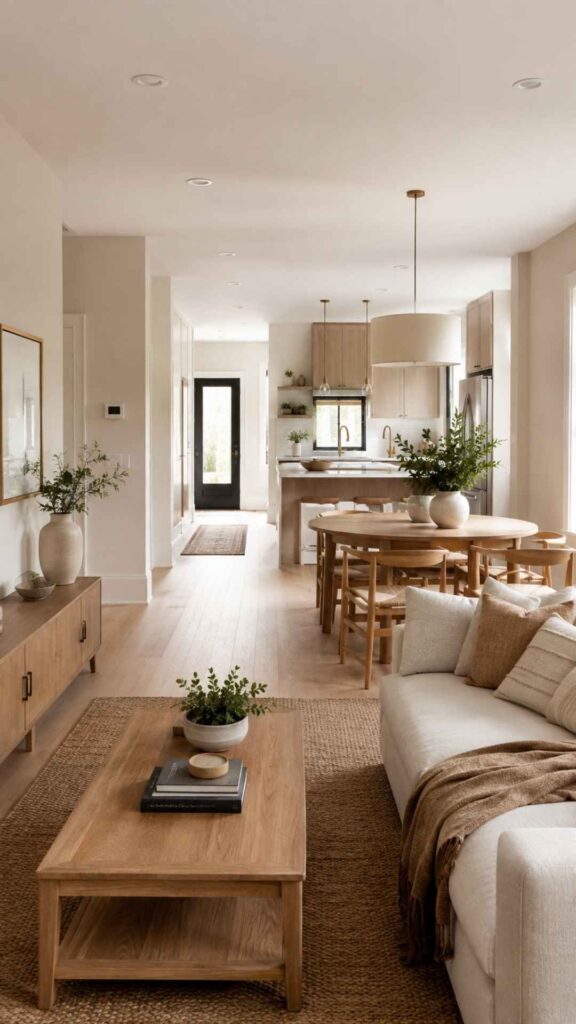
Instead, create a cohesive design language throughout your home. Using consistent colors, similar textures, and complementary materials helps different areas feel connected. Just like a long, uninterrupted pathway appears larger, a home with visual continuity naturally feels more spacious.
2. Make Bulky Furniture Blend Into the Room
Have you ever noticed how one large piece of furniture can completely dominate a room? A bulky sofa, dark wardrobe, or heavy curtains can instantly make a small home feel more crowded.
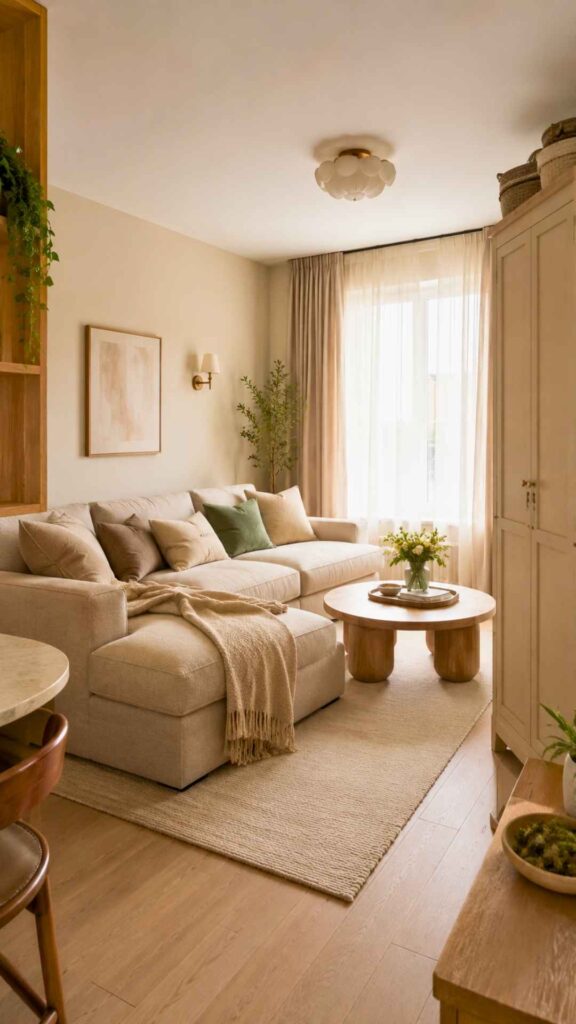
This does not mean you need to remove these essential pieces. Instead, make them blend into the background. Choose wardrobes that match the wall color, cabinets that complement the room’s palette, and furniture finishes that create harmony.
When large elements do not demand attention, the eye naturally perceives more open space.
3. Use Continuous Flooring to Make Your Home Look Bigger
In a small home, flooring becomes an important design element. Using consistent flooring throughout the space instead of dividing areas with different colors, patterns, or unnecessary storage creates a seamless visual flow.
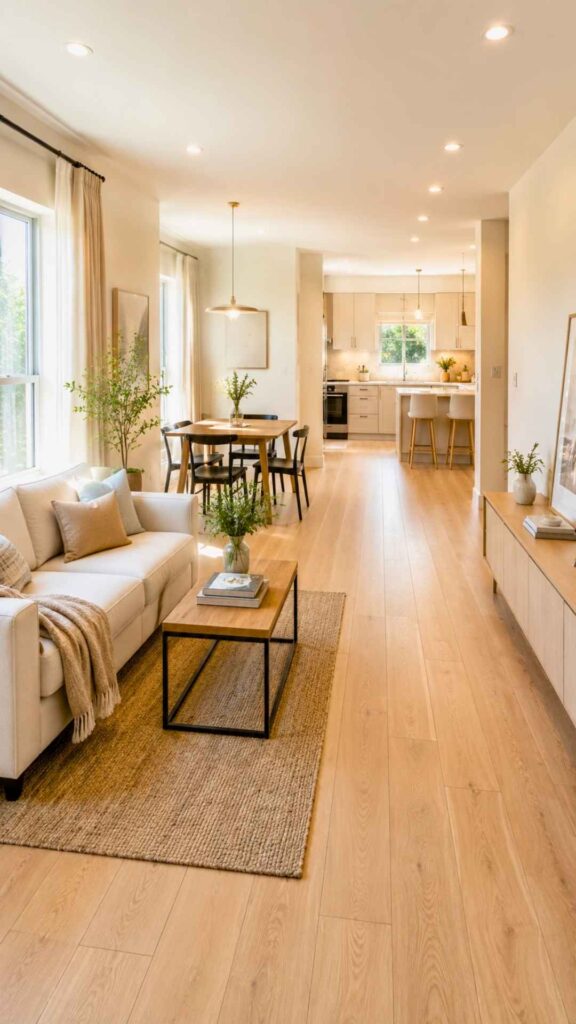
Interior designers often use this technique to make compact spaces appear larger. The more visible and uninterrupted the floor looks, the more open and spacious the home feels.
4. Remove Unnecessary Walls and Create Open Layouts
Many homeowners add partitions and dividers in an attempt to organize small spaces, but too many barriers can make the home feel closed and restricted.
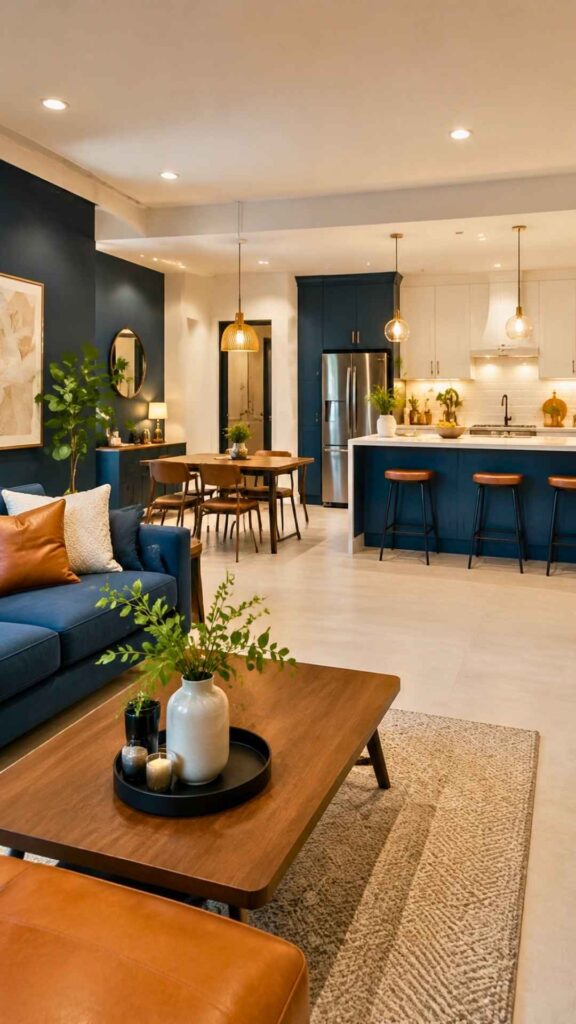
Whenever possible, consider open kitchen layouts, glass partitions, or low-height storage solutions instead of heavy walls. An open layout allows natural light to travel further and creates a smoother connection between different areas of the home.
5. Reduce Visual Clutter With Simple Design Choices
In a small home, the biggest challenge is often not the furniture but the amount of visual clutter. Too many decorative items on tables, crowded shelves, and scattered belongings can make even a well-designed space feel overwhelming.
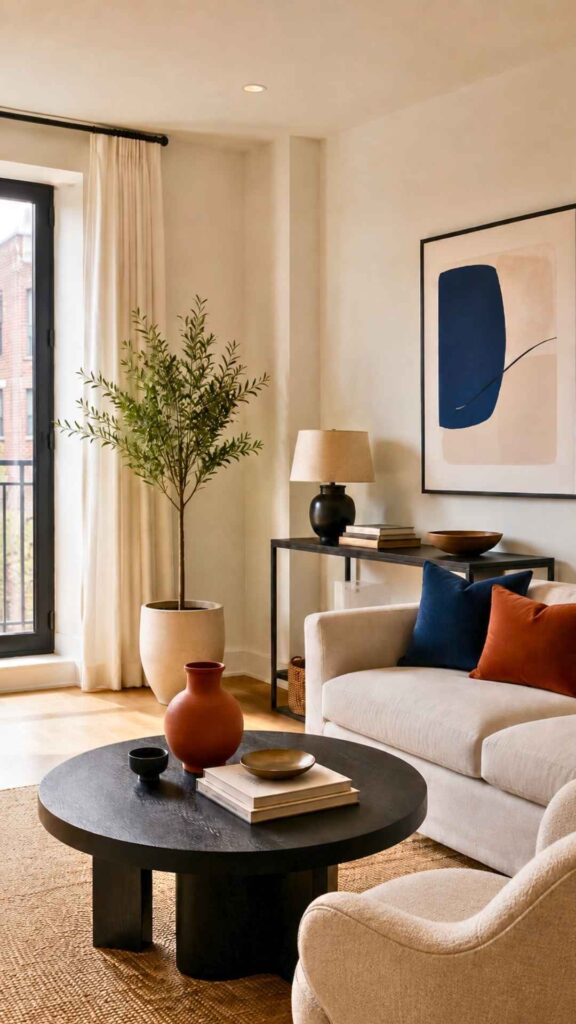
This does not mean removing everything you love. Instead, focus on thoughtful selection. Keep meaningful pieces that add value and allow each item enough space to be appreciated.
This approach is one of the simplest clutter-free home ideas because it creates a cleaner, calmer, and more organized environment.
6. Choose Fewer Furniture Pieces With Greater Impact
Trying to fill every corner of a small home with furniture can reduce comfort and make the space feel restricted. Often, a well-designed sofa, a functional table, and a few carefully chosen pieces are all a room needs.
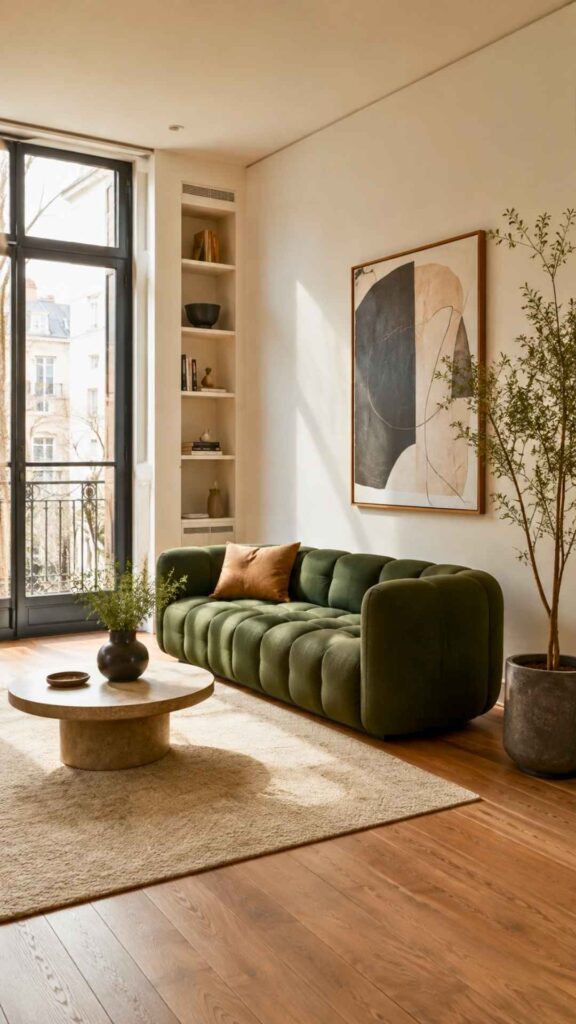
Empty space is also an important part of interior design. Instead of asking what else can be added, think about what the room truly requires and remove anything that does not serve a purpose.
7. Maximize Natural Light to Create an Open Feeling
Lighting can completely transform the way a small home feels. A dark room often appears smaller, while the same space can feel larger and more inviting when filled with natural light.
Use lightweight, light-colored curtains instead of heavy fabrics, place mirrors strategically to reflect light, and avoid blocking windows with unnecessary furniture.
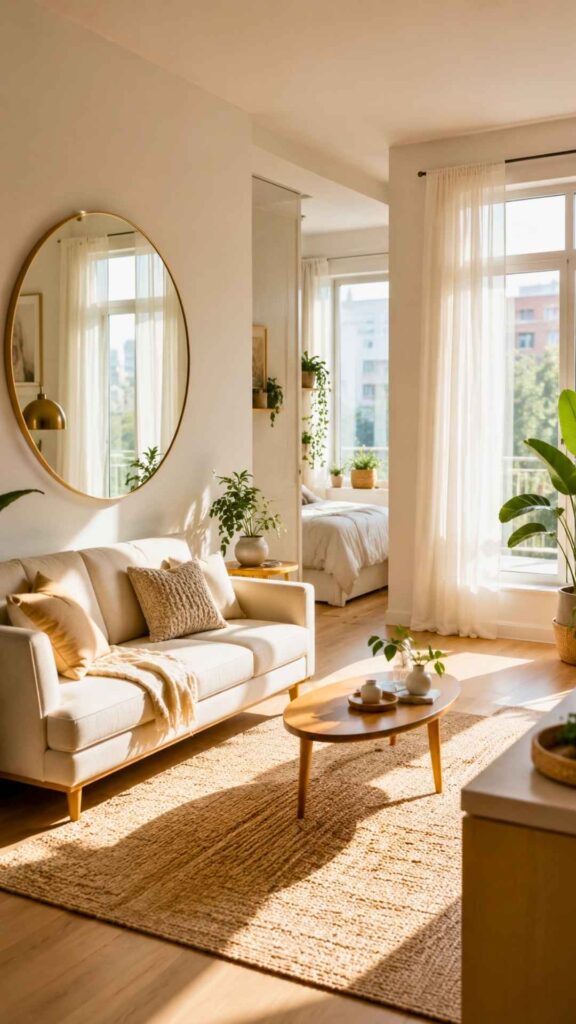
Natural light not only brightens the room but also creates a stronger feeling of openness. Among all the ideas, this one is one of the most effective ways to make a Small House Feel Spacious
8. Use Smart Storage Solutions for a Clutter-Free Home
Storage is one of the biggest challenges in a small home, but the right solutions can make a significant difference. The goal is not simply to create more storage but to manage belongings efficiently.
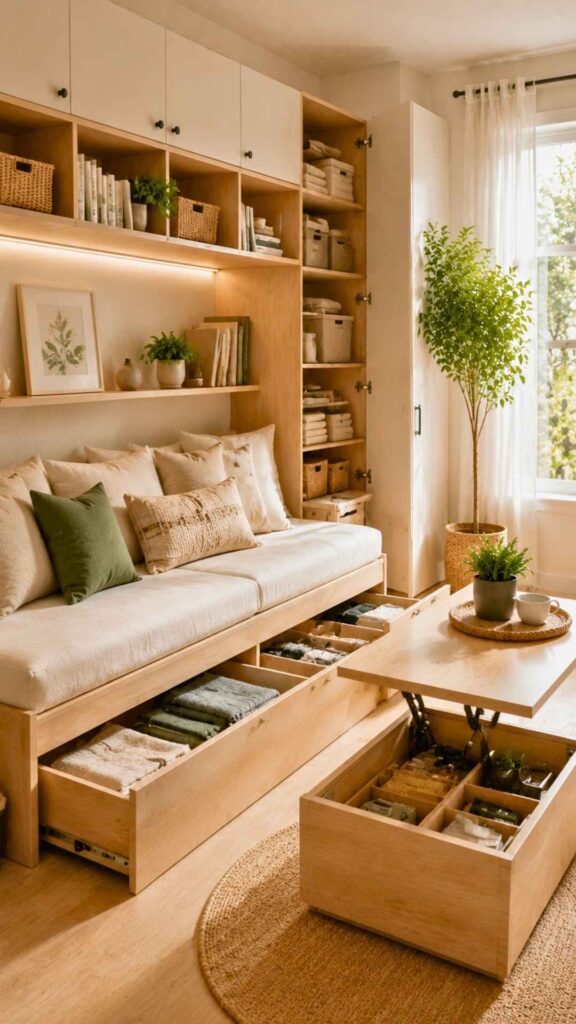
Small home organization ideas such as under-bed storage, built-in cabinets, hidden drawers, and multi-purpose furniture help keep everyday items organized and out of sight.
When everything has a designated place, the home automatically feels cleaner, calmer, and more spacious.
9. Leave Empty Space to Create a More Spacious Feel
Giving furniture and objects enough breathing space is one of the most overlooked design principles. Many people push furniture against walls or fill every empty corner, believing they are maximizing the room.
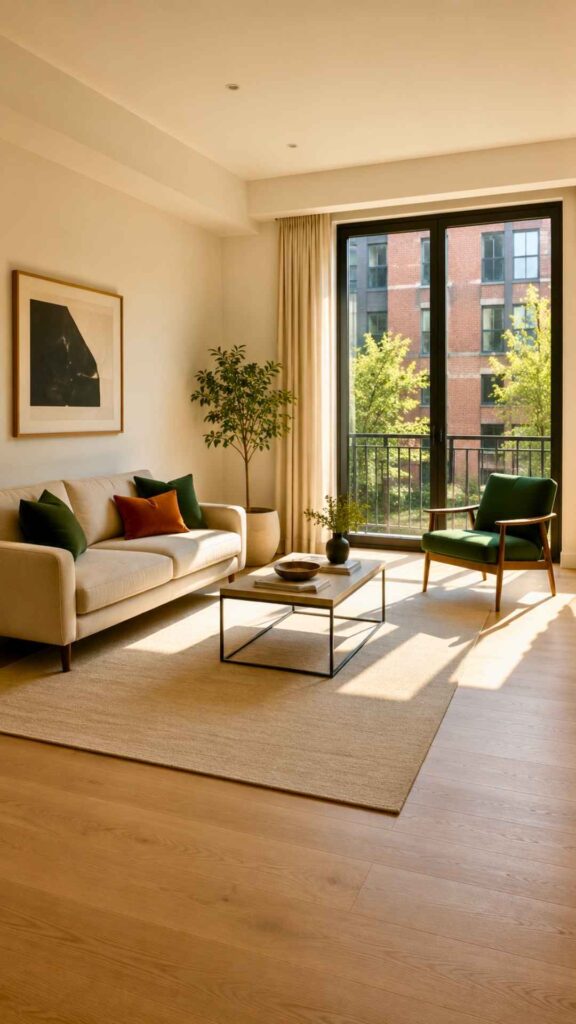
However, open space is what creates a premium and comfortable feeling. Leaving small gaps between furniture pieces, keeping pathways clear, and avoiding overcrowded corners can make a room feel much larger.
The more a space is filled without purpose, the smaller it appears.
10. Focus on Openness Instead of Overdecorating
The real secret behind making a small home feel spacious is choosing the right elements rather than adding more things. A beautiful home is not defined by how many expensive décor pieces it contains but by how thoughtfully each item is selected.
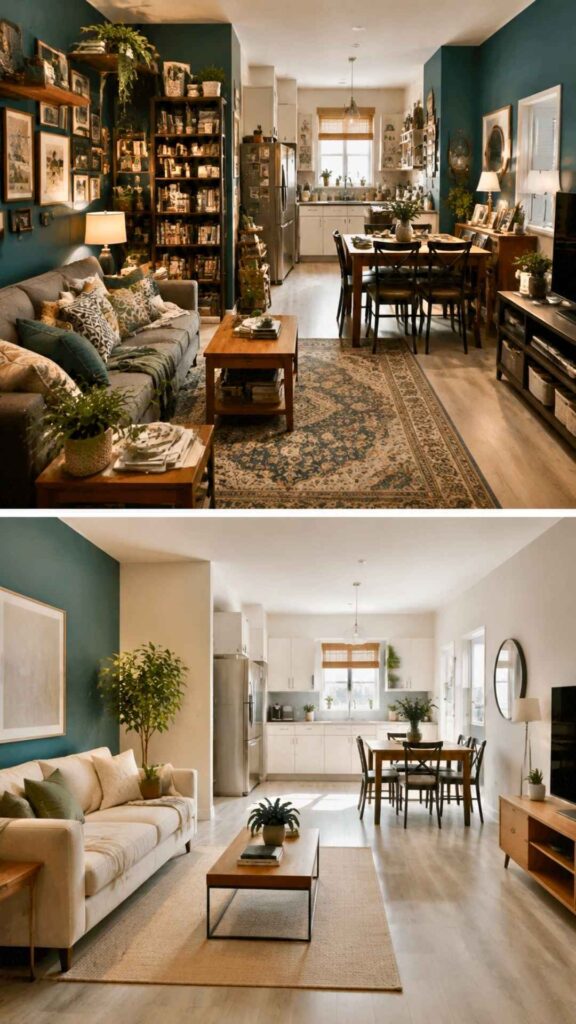
Even a small home can feel elegant and luxurious when colors, furniture, and layouts are carefully balanced. Good design is not about filling space—it is about creating a space that feels comfortable and intentional.
Final Thoughts on ways to make a small house feel spacious
Ultimately, creating a spacious-feeling home is not only about square footage. The true experience of a home comes from the comfort, openness, and tranquility it provides.
Instead of only asking how to create more space, consider how to make the existing space work better. With thoughtful planning, practical ways to make a small house feel spacious can transform even a compact home into a place that feels open, organized, and inviting.
The right balance of design choices, clutter-free home ideas, and smart organization can completely change how a home looks and feels.